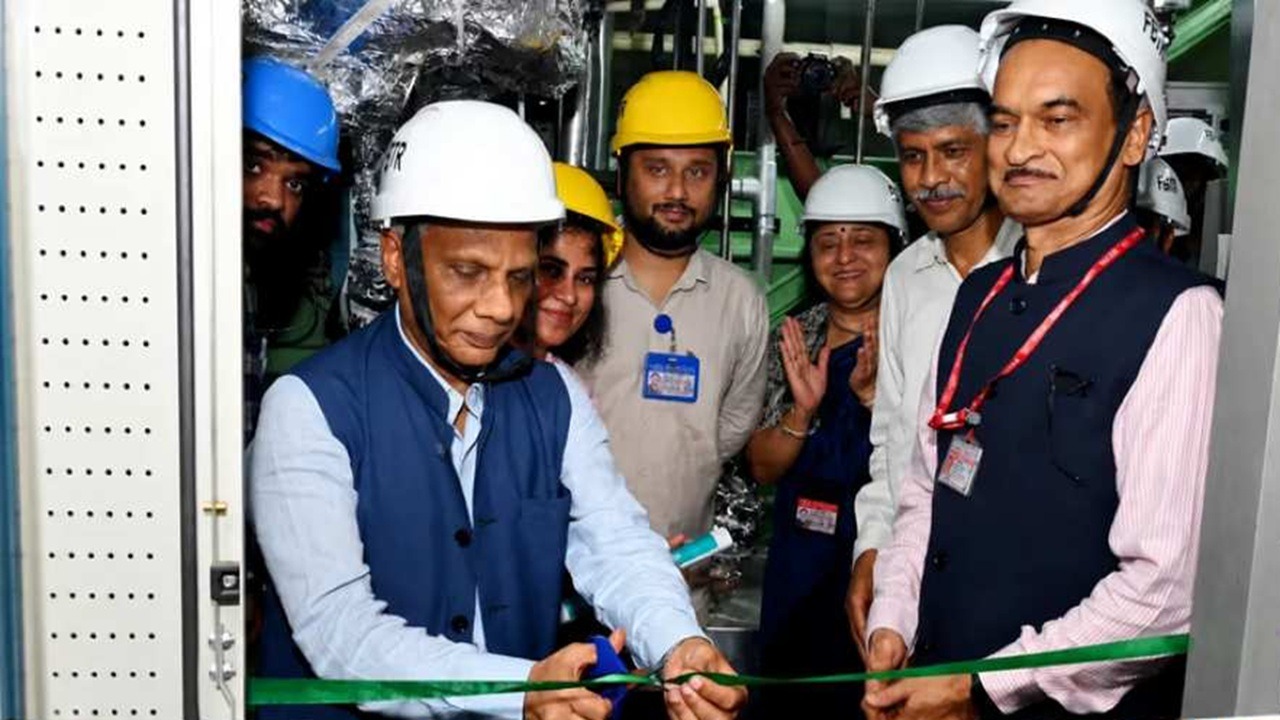
Photo Credit: IGCAR/ Ribbon cutting on the FBTR at IGCAR
(KALPAKKAM, TAMIL NADU) – India officially announced the opening of a nuclear hydrogen facility at the Indira Gandhi Center for Atomic Research (IGCAR) in Kalpakkam, Tamil Nadu, this past June. The project facility isn’t a full-scale commercial site, but a test of the nuclear hydrogen’s capabilities. The technology behind the innovation produces hydrogen using nuclear process-waste heat.
Process-waste heat uses exchanger and boiler technology to redirect thermal energy from industrial operations: water cooling, gas exhaust, and machine operations. Waste heat is produced by excess thermal energy created by industrial and mechanical devices. Basically, the exchangers and boilers capture existing thermal energy that would otherwise go to waste, and use it to produce electricity and other resources. IGCAR’s Fast Breeder Test Reactor (FBTR) powers the copper-chlorine thermochemical cycle, a process arguably more energy-efficient than conventional electrolysis.
In most cases, this excess thermal energy would simply be released back into the environment, but using waste heat to generate resources allows it to be recycled. Since the process in this case primarily uses nuclear energy, it can convert the excess thermal heat into electricity to help run facility operations – all while producing hydrogen. This eliminates most carbon emissions, reduces energy costs, and finds a way to recycle otherwise wasted resources.
Despite the nuclear hydrogen facility producing greenhouse gas emissions (e.g., carbon dioxide) that closely mirror those of green hydrogen facilities, it isn’t classified as such. Green hydrogen uses renewable energy sources like solar or wind power, while nuclear hydrogen relies on nonrenewable sources. In this case, the FBTR uses plutonium, another non-renewable resource, instead of uranium.
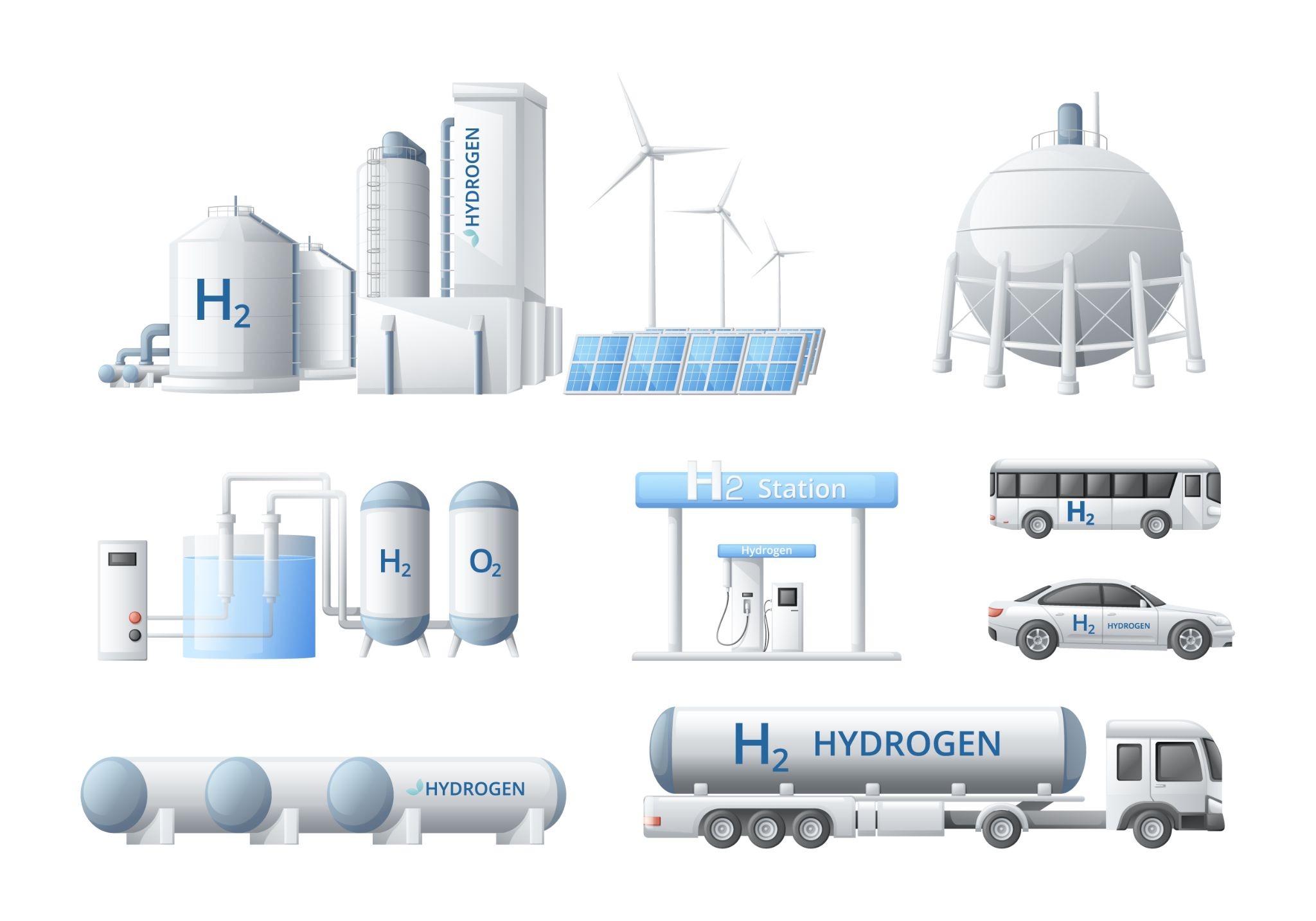
Photo Credit: Macrovector / Hydrogen energy generation and uses
Current production rates are roughly 3,600kg of hydrogen per day, while commercial-scale hydrogen production output is anywhere from 20,000-99,000kg per day, depending on the facility. This means production is still below commercial standard, and the technology used by the new Hydrogen Nuclear facility hasn't been tested on a commercial scale. It’s also important to keep in mind that this is more or less a test run facility, not a full-scale operation, but it does have plans to increase output to around 72,000kg per day.
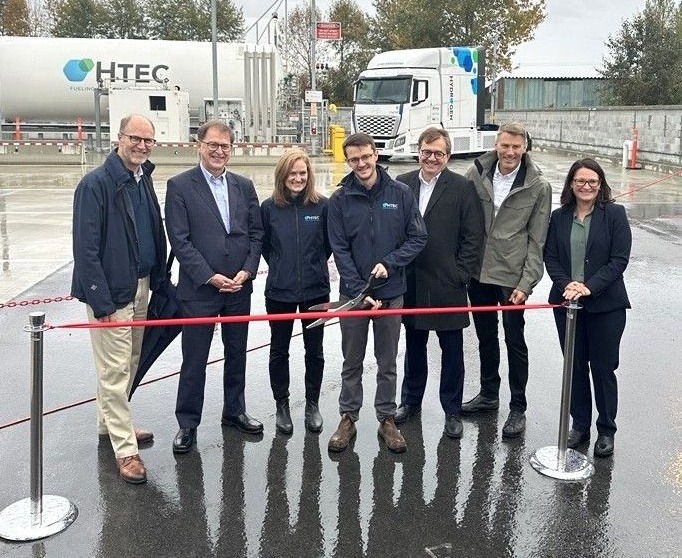
Photo Credit: LinkedIn / HTEC - Burnaby Clean Hydrogen Production Facility Opening
While the nuclear hydrogen facility is the first attempt of its kind, it isn’t the only non-green hydrogen facility to attempt cleaner production. In 2025, the first commercial-scale clean hydrogen electrolyzer was introduced at the Burnaby Clean Hydrogen Production Facility in Canada by the company HTEC. The electrolyzer is powered by British Columbia Hydro’s predominantly renewable hydroelectric grid, and produces 657,000kg of clean hydrogen per year.
To add to or correct any information in this report, please contact me at kristin.h@lead4earth.org.
1
0

Comments