(TALLAHASSEE, FL.) - Governor Ron DeSantis has increased immigration arrest efforts since January, with recent arrests in Key Largo.
The Florida Highway Patrol’s relatively new Criminal Alien Apprehension Team (CAAT) partnered with U.S. Customs and Border Protection to make fifteen arrests in Key Largo.
In contrast to other targeted arrests, everyone detained in Key Largo has extensive criminal offenses, including home invasion.
According to factcheck.org, 33% of arrests are for immigrants with no other criminal record, with another 30% of immigrants who were never convicted of a crime.
A growing concern has been the prioritization of quantity over quality of arrests.
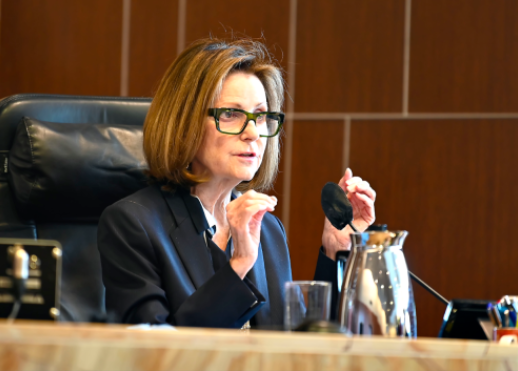
Photo Credit: Justice.gov /Judge Kathleen Williams
On Mar. 18, Judge Kathleen Williams issued a temporary restraining order for SB 4-C (2025), a bill which allowed for the arrests of anyone who provided transportation to immigrants.
SB 4-C was often criticized for broad language and made any type of transportation to an undocumented immigrant a third-degree felony. Something as simple as driving a family member to work could warrant a felony charge.
Judge Williams struck down the law, citing the supremacy clause, believing the new bill went against federal precedent.
Although federal laws do not permit transporting family members either, the focus is on intent. Most rulings are made in accordance with the anti-smuggling law, which would not criminalize day-to-day activities and transportation. SB 4-C was harsher than the federal precedent and was shut down.
Mar. 18 was the second time Judge Williams called for Florida to stop using SB 4-C.
The bill was first brought to Judge Williams in Apr. 2025, when the first temporary restraining order was issued. Florida attempted to take the case to the Supreme Court and faced two more losses.
The 11th Circuit Court in Atlanta denied Florida’s plea, and the Supreme Court followed. Even with a Supreme Court ruling, Florida remained persistent and attempted a loophole.
In February, the Attorney General's office sent a letter to statewide sheriff departments to continue to use SB 4-C to make arrests.
Attorney General James Uthmeier argued the police were not explicitly named in any past injunctions or rulings, prompting his direction, which Judge Williams called ‘deliberate’ in an attempt to mislead law enforcement.
To combat the issue at hand, the attorney general may now face fines.
First, Uthmeier has to issue formal statements to police departments not to make arrests related to the struck-down bill. The judge has also ordered Uthmeier to file a report every two weeks of who has been arrested and charged by SB 4-C. If the attorney general fails to do so, Uthmeier will be forced to pay fines.
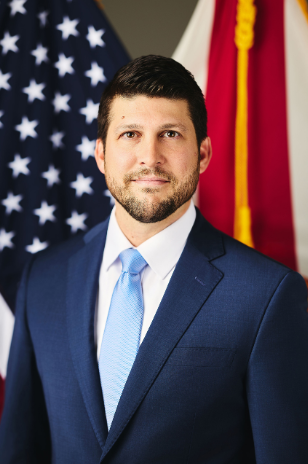
Photo Credit: My Florida Legal/ James Uthmeier, Florida Attorney General
"If being held in contempt is what it costs to defend the rule of law and stand firmly behind President Trump's agenda on illegal immigration, so be it."
Uthmeier made the statement in 2025 after being found in contempt of court.
There will be a hearing Apr. 18 regarding SB 4-C and the state’s compliance.
If you have any questions or concerns, please comment and email me at jason.f@lead4earth.org.
0
0

Comments