(SACRAMENTO COUNTY, Calif.) — As Halloween approaches, candy bowls are filling up, decorations are appearing on porches and trick-or-treaters are preparing to hit the streets. But for dogs and cats, the spooky season can bring hazards ranging from toxic treats to frightening noises and unexpected escapes.
Sacramento County’s Bradshaw Animal Shelter is reminding pet owners to take precautions throughout October, when costumes, decorations and increased visitor traffic can create risks for animals.
“A little planning can help everyone enjoy the season safely,” Bradshaw Animal Shelter said in a seasonal pet safety advisory published Oct. 27.
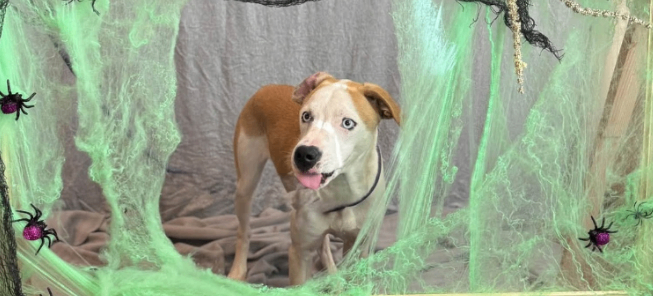
Credit: Bradshaw Animal Shelter
The shelter recommends seven steps to help keep pets safe during Halloween festivities.
Keep Halloween candy away from pets
Chocolate can be dangerous to dogs and cats, particularly dark chocolate and baking chocolate. Xylitol, a sweetener found in some sugar-free candies and gum, can cause life-threatening complications in dogs. Raisins can also be toxic to dogs.
Candy wrappers pose another risk if swallowed, potentially causing choking or intestinal blockages.
Bradshaw recommends storing candy in closed cabinets, picking up discarded wrappers and giving pets their usual treats instead of sharing Halloween sweets.
If a pet eats something potentially toxic, owners should contact a veterinarian or animal poison control service immediately rather than waiting for symptoms to appear.
Create a quiet space away from trick-or-treaters
The steady stream of visitors, ringing doorbells, masks and unfamiliar noises can frighten pets, even those that are usually comfortable around people.
Bradshaw recommends preparing a quiet room before guests arrive, with fresh water, bedding and familiar toys. Keep the door closed and let visitors know the room is off-limits.
Keeping pets away from the front entrance also reduces the chance of an animal slipping outside when the door opens to hand out candy.
Check identification and secure doors
A startled dog or cat may bolt through an open door or gate. Before Halloween night, pet owners should check that identification tags display a current phone number and that microchip registration information is up to date.
Doors and gates should close securely, and families should make a plan to keep pets away from entrances during busy periods.
These precautions can improve the chances of reuniting with a pet if it gets lost.
Make sure costumes are comfortable
Pet costumes can be festive, but not every animal enjoys wearing them.
Bradshaw advises owners to watch for signs of discomfort, including freezing, hiding or repeatedly trying to remove an outfit. Costumes should allow pets to move freely, see clearly and breathe comfortably.
Loose decorations and small pieces that can be chewed or swallowed should be avoided. Owners should supervise pets wearing costumes and remove the outfit if the animal appears distressed.
A simple bandana — or no costume at all — may be a better option for pets that are uncomfortable dressing up.
Check decorations from a pet’s perspective
Candles, electrical cords and small decorative items can become hazards for curious animals. Bradshaw recommends keeping these objects out of reach and using flameless candles to eliminate the risk of an open flame.
Battery-operated decorations still require caution because batteries can be dangerous if swallowed. Glow sticks and glow jewelry should also be kept away from pets; chewing them can cause mouth irritation and drooling.
Owners should check decorations at a pet’s eye level and consider what cats might reach by climbing onto furniture or other surfaces.
Outdoor decorations can pose risks to wildlife, too. Artificial spiderwebs and similar stretchy materials may entangle birds and other animals, so keeping them indoors can help reduce that danger.
Consider leaving pets at home
A familiar neighborhood can feel very different when it is crowded with people wearing masks and costumes.
Bradshaw suggests walking dogs before trick-or-treating activity picks up and allowing them to relax at home during the busiest hours.
For owners who do take their dogs outside, a secure leash, current identification and reflective gear can help improve safety after dark. Watch for signs of stress and head home if a dog becomes uncomfortable.
Cats are generally safest indoors during Halloween festivities.
Save the emergency number
Pet owners should save their veterinarian’s contact information and the number for the ASPCA Animal Poison Control Center before Halloween night. The center can be reached at 888-426-4435 and is available 24 hours a day, seven days a week. A consultation fee may apply.
If a pet eats a potentially toxic substance, owners should keep the packaging available so veterinary professionals can identify the ingredients and estimate how much was consumed. Do not induce vomiting or try home remedies unless instructed by a veterinary professional.
Bradshaw Animal Shelter’s seasonal safety guidance is available at BradshawShelter.net.
With a few preparations, families can enjoy Halloween while helping ensure their pets stay safe, comfortable and close to home.
If you’d like to add or correct anything in this report, feel free to reach out to me or leave a comment below. Submit Sacramento County tips and story ideas to Sarah Denos at sarahkdenos@gmail.com.
0
0

Comments