(PENSACOLA) --- John F. Kennedy's death inspired Pensacola mayoral candidate Jermaine Williams to enter politics.
"My connection to politics started in the 5th grade," Williams told OpGov.News in his candidate profile interview, noting John's brother, Robert, was also an influence.
"What drew me in was how they operated together, the ideas they pushed, the sense that government could actually be used for something meaningful," Williams said.
Other men inspired his decision to enter the Pensacola mayor's race, where he vies for the dais seat against six other candidates, including the incumbent.
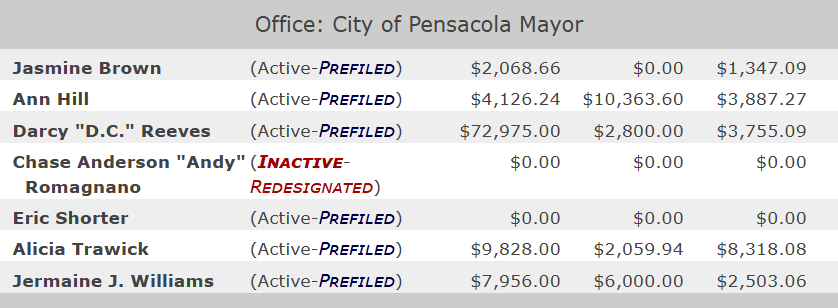
(Photo: Escambia County Board of Elections Pensacola mayor candidate list)
"As I got older, that curiosity deepened," Williams said, noting Malcolm X piqued his interest, noting the "caricature people are often sold, but the full man."
"In his later years, Malcolm came to believe that all people, regardless of race, deserved human rights and could coexist," Williams said.
Presidents Abraham Lincoln, Franklin Roosevelt, and Gerald Ford are also inspirational, according to Williams, who notes that the leaders "weren't just history lessons."
"Politics became a fabric woven through my life, not a career path I mapped out, but something I kept returning to because I couldn't look away from it," Williams said.
Williams, a certified recovery peer specialist, said Pensacola is facing problems that have outlived every administration that tried to fix them, using Roosevelt as an example.
"FDR didn't inherit easy times; he inherited a nation in crisis, and he didn't tinker around the edges; he built something," Williams said.
The candidate said his life experience strengthens his work in mental health, addiction, and suicide prevention.
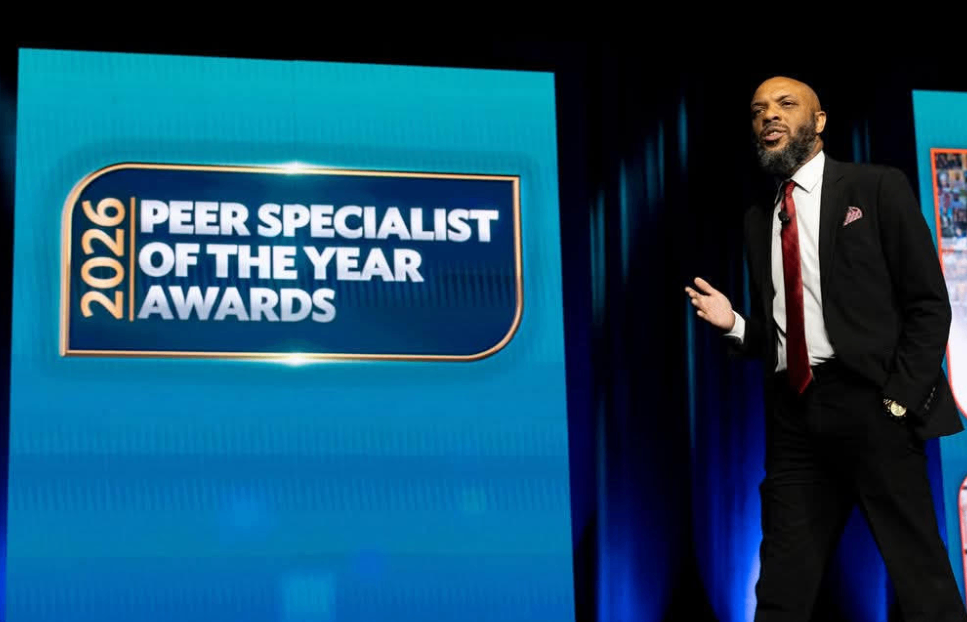
(Photo Credit: Jermaine Williams)
"The outcomes in my work are life and death, literally, and I carry that with me every day," Williams said.
Williams, recently awarded the National Peer Specialist of the Year by the National Council for Mental Wellbeing in Washington, D.C, said he didn't earn the honor by lip service.
"I earned it by helping build them inside a system that resists being fixed," Williams said.
Williams' five campaign pillars have great purpose since "every one of them came from something I've lived, not something I read in a policy book."
The first pillar: Pensacola Directed Care.
"This is my behavioral health program and the heart of everything I'm building," Williams said.
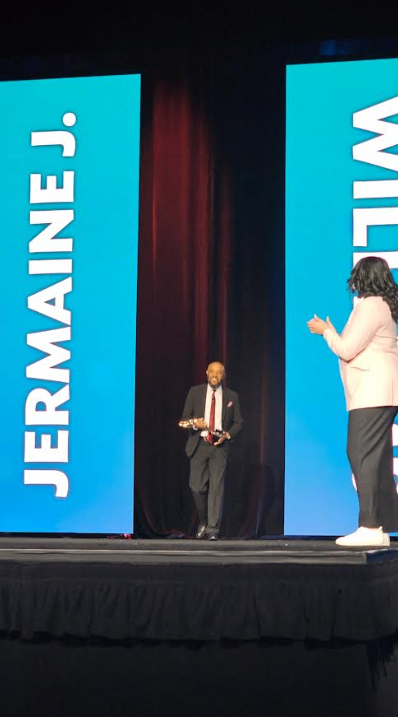
(Photo Credit: Jermaine Williams)
Handing off seven digits to a facility and well wishes to a recovering client is not enough.
"We're going to change that," Williams said. "Every participant gets a real care team, a therapist, a life coach, and a peer specialist who has been through it themselves."
Money for clients would also be available, according to the candidate, who noted that Medicaid, opioid settlement funds, and federal behavioral health grants could assist.
"Pensacola has one of the highest overdose rates in Florida. We cannot keep doing the same thing and calling it leadership," Williams said.
The second pillar: Workforce Housing.
"Teachers, nurses, first responders, and city employees cannot afford to live in the city they serve," Williams said, laying out a plan. "We are going to build ten mixed-income workforce apartment buildings in underutilized parts of the city, not in your neighborhood, in corridors the city has already identified as needing new investment."
Low-income housing tax credits, federal and state housing funds, and community development financing tools can help build housing, with land as the only city contribution.
"Cities across the country are doing this right now. We just haven't had leadership willing to pursue it.
The third pillar, Roots Program.
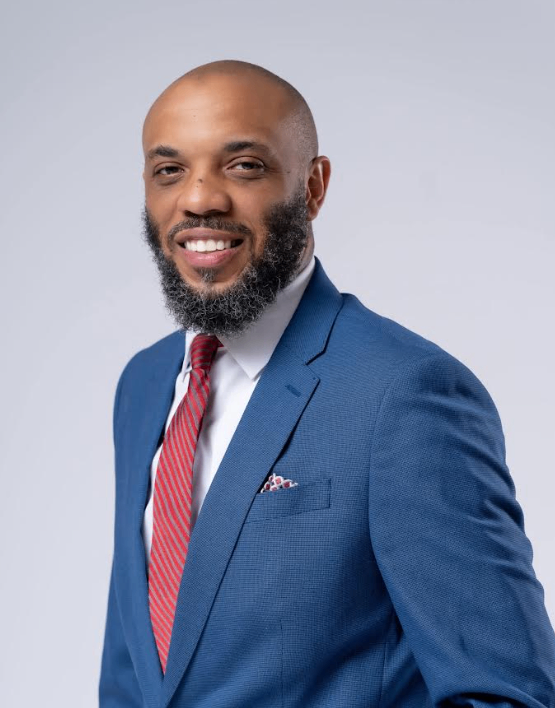
(Photo Credit: Jermaine Williams)
"Building new housing means nothing if the people who built this city get pushed out of it first," Williams said, adding it's not a program for one community. "This is for every Pensacola family, every race, every neighborhood, every homeowner who has worked hard to put down roots in this city and deserves to stay."
The Roots Program protects all of us, according to Williams, adding that when a Pensacola family falls behind on property taxes, the city would offer free financial counseling, zero-interest deferred-payment plans, and a community land trust that can buy a property at risk of being foreclosed to keep it affordable.
The fourth pillar: Pensacola Youth Safe Haven Network and the Pensacola Promise.
"First, we fund the coaches, instructors, and community leaders who are already showing up for our kids every day with little to no support," Williams said of the network. "No child in Pensacola gets turned away from any sport or activity because their family can't afford it."
As for the Pensacola Promise, "we give young people a real reason to stay here and build their future," according to Williams, who says it is possible through a scholar pipeline and a free trades program with Pensacola State and the University of West Florida.
The fifth pillar, Pensacola People's Budget Council.
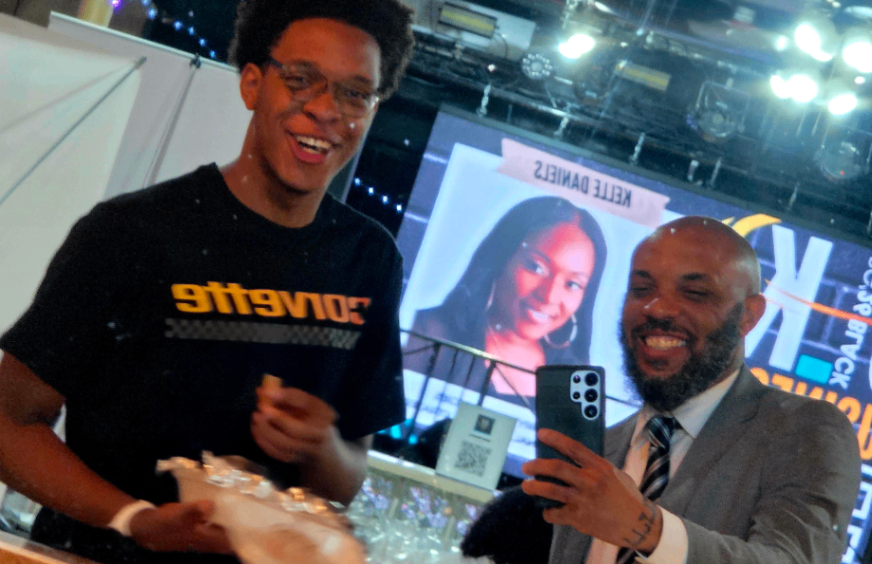
(Photo Credit: Jermaine Williams and his son)
"This pillar makes sure you can hold me accountable," Williams said.
A formally structured council of neighborhood-elected representatives with real, binding authority over a dedicated portion of the city budget assures transparency.
"It starts at $2 million in year one and grows to $5 million by year four," Williams said, adding it will encourage young adults with full voting rights to participate. "Every meeting is livestreamed; every city expenditure over $500 is publicly searchable in real time."
Also a full-time father, raising a teenager, Williams said his family is one of the main reasons he is running.
“I am nothing without my family,” Williams said, adding that his deceased father, grandmother, aunt, and brother provide him with strength and purpose during the campaign. “Everything I'm trying to build for Pensacola is rooted in exactly that, the belief that when people pour into each other, when a community refuses to leave anyone behind, something extraordinary is possible.”
Get to know Williams more at his campaign website here.
0
0

Comments