(SAN RAMON, C.A.) --- What began as a practical workshop for people considering public service soon produced a remarkable result: three participants left the meeting ready to become candidates themselves.
On Monday following the event, Joel Woods filed to run for the San Ramon Valley Unified School District Board, Area 5; Narayan Tadimeti filed for Livermore City Council, District 2; and Chirag Kathrani filed for San Ramon City Council, District 2.
The three filings added an exciting new chapter to a gathering centered on a simple question: What does it truly take to run for office and serve the public effectively?
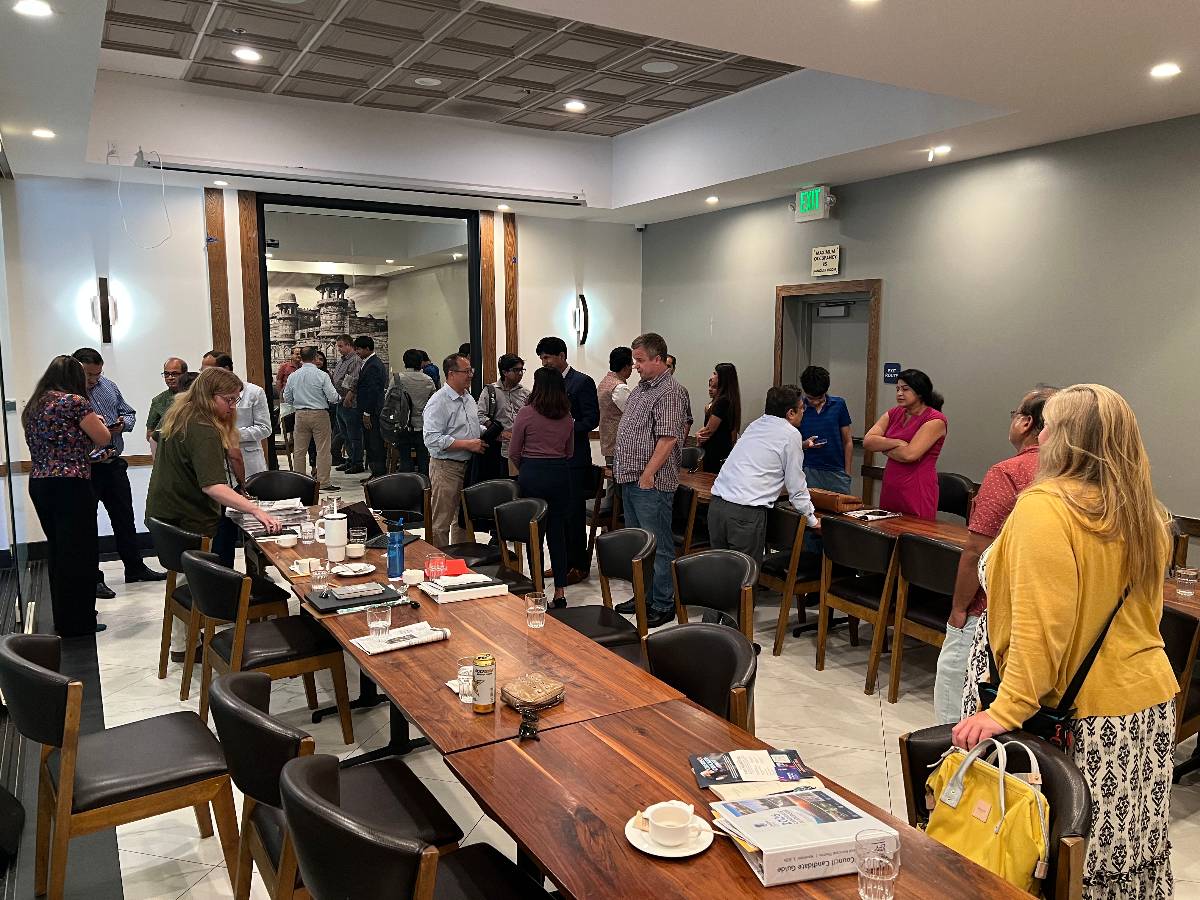
(Photo: Community Leadership Crash Course with Councilwoman Eve Little, Councilmember John Morada)
Learning Why People Run
The event began at 9 a.m., with additional team members arriving around 10 a.m. Participants introduced themselves, explained which offices they were running for or considering, and shared why they felt called to serve. Kiran Mohammed, a candidate for mayor of Dublin, opened the candidate introductions by discussing her motivation for entering the race and her vision for the city.
"I believe residents deserve a city government that is accessible, transparent, responsive, and willing to rethink processes that no longer serve them well," Mohammed said. "Decisions should begin with understanding their real-world impact on residents."
Next, Brian Swanson, who was considering a campaign for mayor of San Ramon, frequently detailed concerns about city decisions and the public record. Swanson has been one of San Ramon’s most consistent contributors during public-comment periods, specifically with challenging the city legally at his own cost. While Swanson supports development, he also supports a lack of due process and ignored impact studies. Additionally, Swanson shared that changes should be gradual, not sudden.
Livermore resident Tadimeti attended to learn more about the commitment required to serve on the City Council. At the time of the meeting on Sunday, he was still considering whether to run, and by Monday became an official candidate for Livermore City Council, District 2.
San Ramon resident Nick Harvey also participated. Harvey had recently considered running for the District 4 seat on the San Ramon City Council but announced that he would not enter the race. Chirag Kathrani discussed the possibility of running for either mayor or City Council, depending in part on whether Swanson entered the mayoral race. Kathrani ultimately filed on Monday for the San Ramon City Council’s District 2 seat.
Other prospective candidates joined throughout the event. Shivraj Singh, a candidate for Dublin City Council, District 4, participated, as did Cheryl Crocker-Root, who is running for Union City Council, District 3. Crocker-Root has attended numerous City Council meetings and expressed a desire to earn a seat at the table so she can directly question and influence the governance decisions affecting her community.
Kismat Kathrani, who previously ran for county assessor, also joined the discussion.
Lessons from Elected Council Members
Two current council members offered participants a firsthand account of campaigning, governing, and managing the responsibilities of elected office.
Dublin Councilmember John Morada was asked about the priorities behind his campaign, the promises he made to voters and the progress he has achieved since taking office.
Morada explained that he spent approximately two years considering a campaign before finally deciding to run. He also said he conducted an exceptionally lean campaign, spending approximately $3,200, while focusing on directly representing residents.
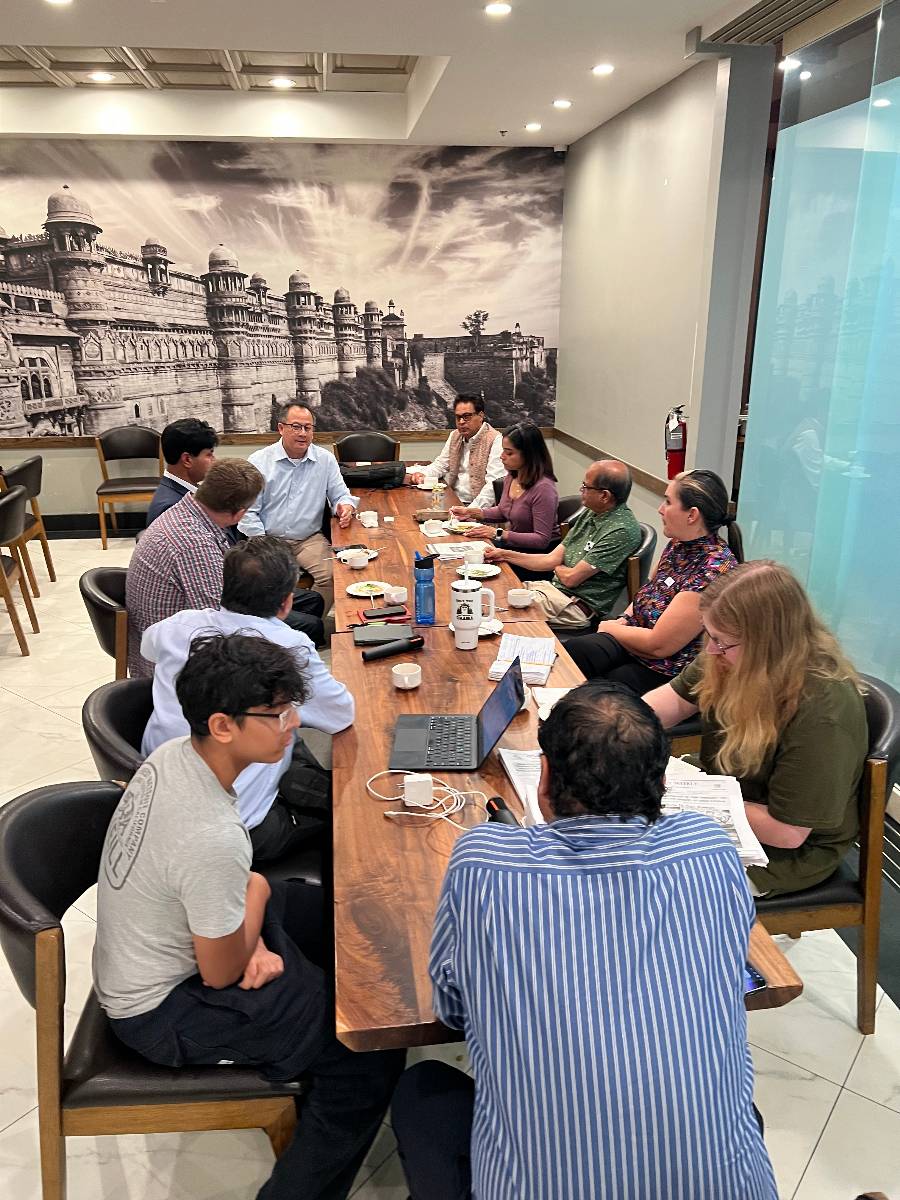
(Photo: Dublin Councilmember John Morada informs community members on his leadership skills, campaign history)
His approach to public engagement has continued since the election. Before Dublin City Council meetings, Morada makes himself available at Paris Baguette in Dublin for about 90 minutes, giving residents an informal opportunity to meet him and share their concerns.
Morada also described how he prepares for council meetings. After receiving the agenda packet, he reviews the material, records his questions and observations, and provides his notes to the city manager. He then schedules an approximately one-hour meeting with the city manager to receive answers before the public meeting.
Councilmember Eve Little shared her experience running in a citywide election on a platform emphasizing government transparency and accountability. As a small-business owner and teacher, she had become increasingly engaged in city affairs before seeking office. Little regularly communicates with residents through a community Facebook group whose membership reportedly exceeds the number of voters in the city’s voter database.
Little's first term was two years, filling the incumbent's seat is now seeking a full term. Little said her campaign materials clearly connect promises with results. One flyer prepared by her volunteers uses photographs to show what she promised, what she has accomplished, and what she hopes to achieve during another term. She said her previous campaign cost approximately $4,042.
How Much Time Does Public Service Require?
Participants asked the council members how much time they devote to council work and which regional or local committees they serve on. Their answers helped demystify the workload. Both indicated that council service generally requires about 10 hours per week without a council meeting and as many as 15 hours during a meeting week. Some committee assignments meet regularly, while others convene only quarterly or once a year.
The discussion also covered compensation. Pay varies by city, but council members may receive a stipend and benefits such as medical, dental and vision coverage. When the estimated value of those benefits is included, the overall monthly compensation discussed at the workshop was approximately $3,000, although the specific amount and structure differ among jurisdictions.
The central lesson was straightforward: serving on a council is effectively a substantial part-time responsibility, requiring preparation, accessibility and consistent engagement beyond attendance at public meetings.
What It Takes to Run an Effective Local Campaign
The second portion of the workshop focused on campaign strategy, beginning with yard signs, candidate statements, voter outreach, and campaign costs. Little brought campaign materials and official forms so participants could see how the process works in practice. The discussion emphasized the importance of the candidate statement in a local election, where many voters may know little about the people appearing on their ballots.
Participants also examined email and text-message campaigns. These outreach methods require planning, including properly warming up an email account or server to reduce the risk of messages being flagged as spam. Tools such as GoodParty.org were discussed as possible resources for candidates running grassroots campaigns.
The voter database emerged as one of the most important campaign tools. Rather than knocking on every door without a clear strategy, a candidate can identify “super voters”—residents who participate in approximately 80 percent or more of elections—and prioritize conversations with those most likely to cast a ballot.
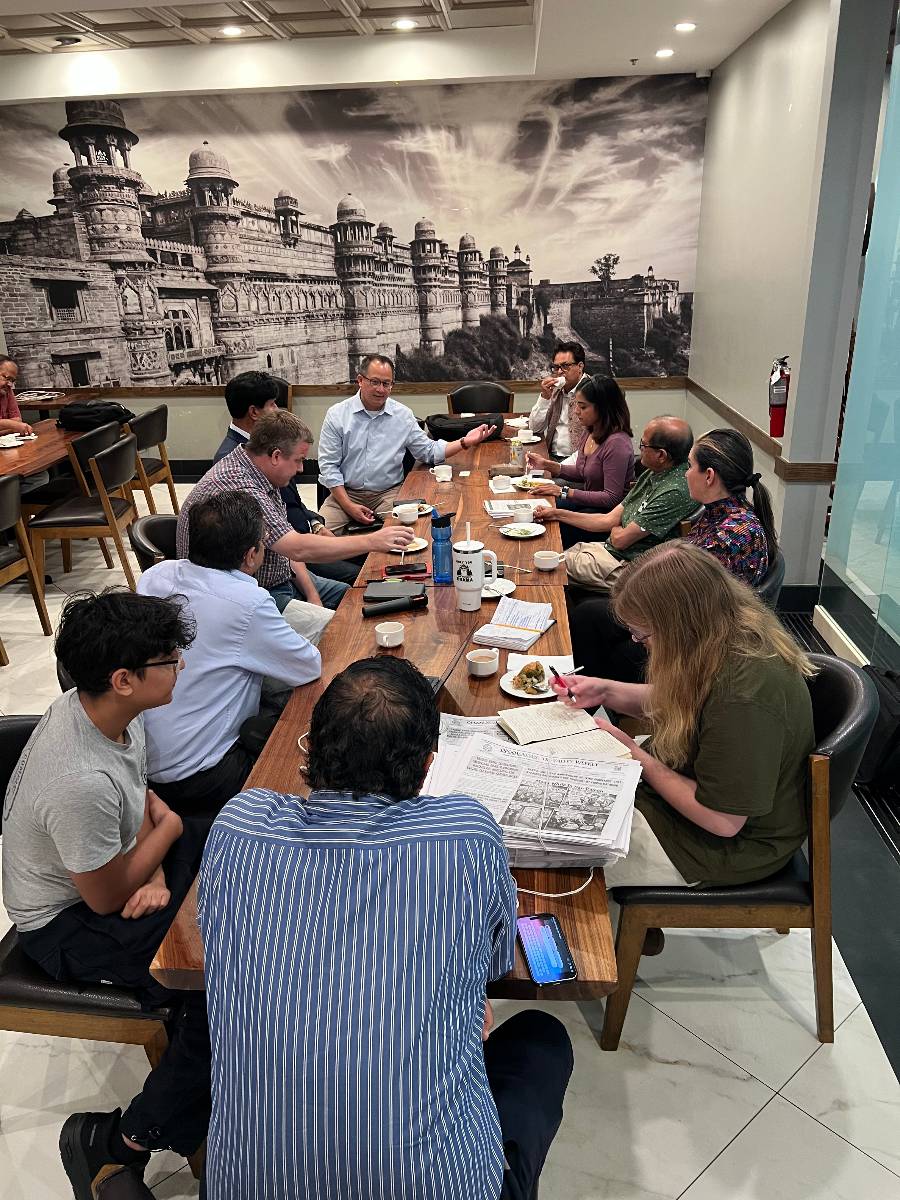
(Photo: Community members, candidates sit with Dublin, Newark elected officials for crash-course leadership course, with two participants filing for candidate positions)
Little offered another memorable example of personal outreach: delivering homemade jam to voters. The gesture demonstrated that local campaigns do not always depend on expensive advertising. Thoughtful, authentic interactions can help voters remember a candidate and build a genuine personal connection, according to Little.
Research, Research, Research a Central Theme
Candidates must understand what their constituents care about, how their local government operates, and how an incumbent opponent has voted or responded to community concerns.
OpGov.News offers meeting summaries and a research chatbot through its online platform. These resources can help prospective candidates study local government meetings, examine public concerns and identify recurring issues.
Public commenters are especially important. Residents who repeatedly attend meetings and speak on local issues often possess deep knowledge of their communities.
In many cases, they are expressing concerns shared by neighbors who cannot attend or speak for themselves.
Engaging these residents should therefore be one of a candidate’s first outreach priorities. They can provide historical context, identify overlooked issues, and become an invaluable initial network for anyone seeking to understand the community.
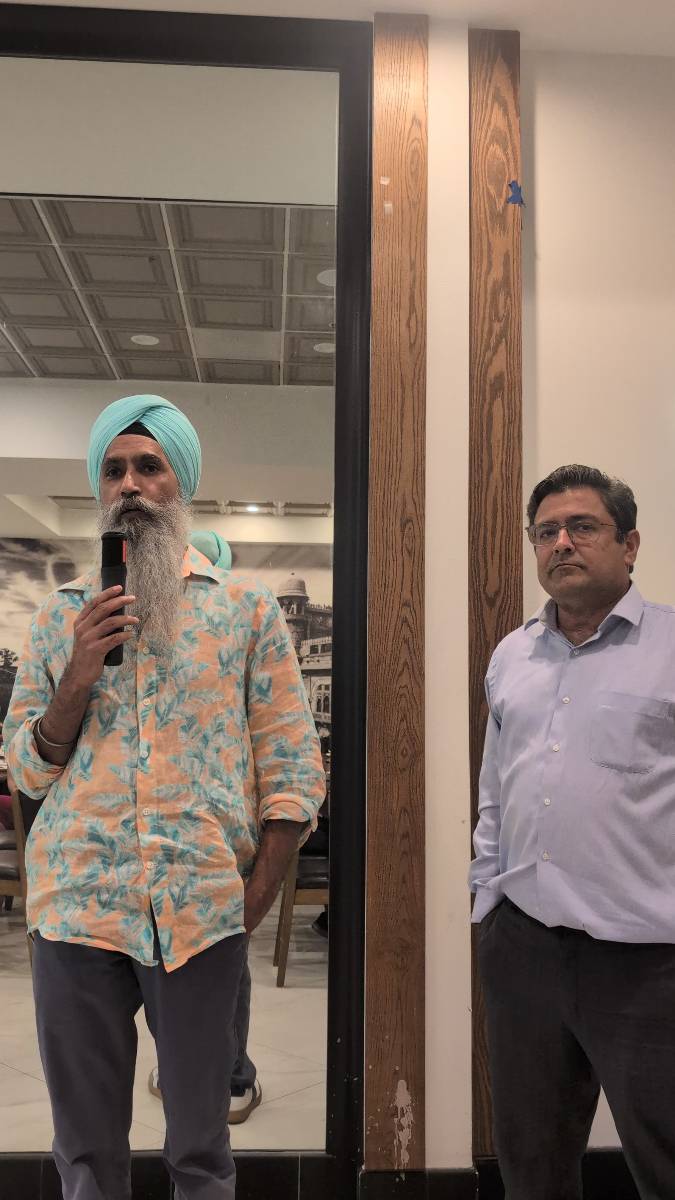
(Photo: Guest Speaker Taran Singh, left, Chirag Kathrani, right, San Ramon resident running for San Ramon Council)
Voices from Previous and Current Campaigns
Guest speaker Taran Singh, who previously ran for Newark City Council, reflected on the political environment surrounding his 2020 campaign. Singh said that, before he entered the race, council seats had gone uncontested for several years and council decisions were routinely approved without meaningful opposition. According to Singh, the dynamic began to change after Little was elected.
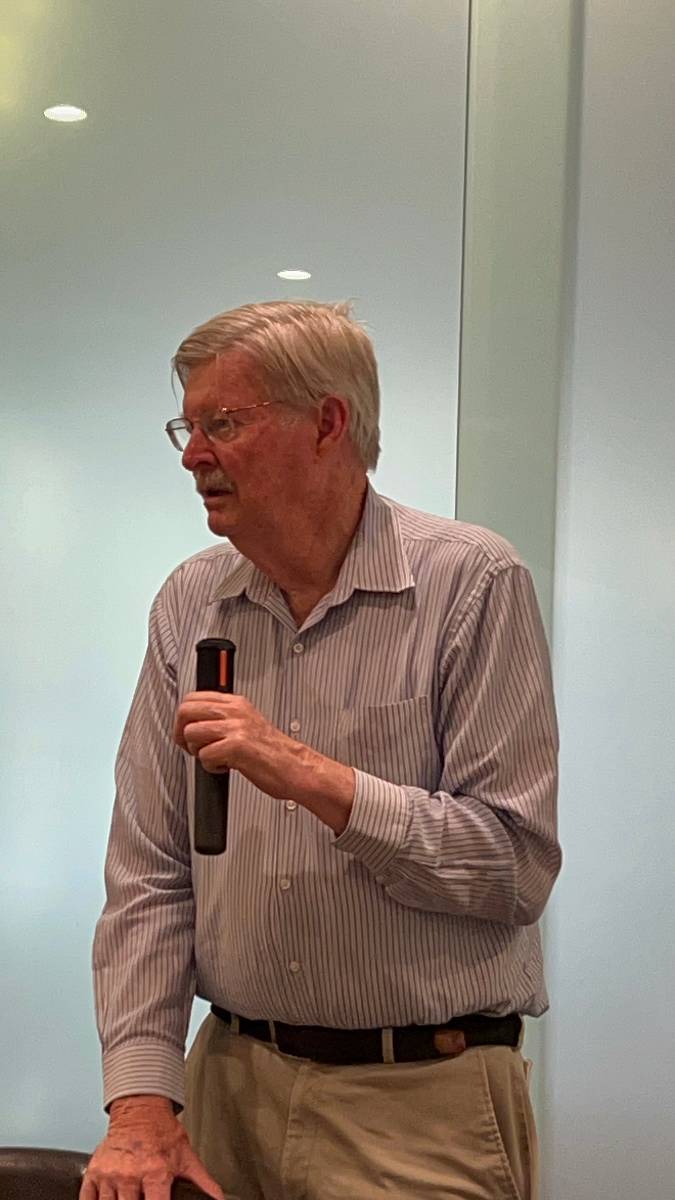
(Photo: California State Assembly District 15 Candidate Arthur Webb speaking at local leadership invite-only meeting)
Arthur Webb, an independent candidate for California State Assembly District 15, also addressed the gathering. Webb said he hopes to provide an independent voice in Sacramento, where independent representation is currently absent from the Legislature. Webb also discussed one of the greatest challenges confronting independent candidates: fundraising. Without the institutional support of either major political party, independent candidates may struggle to attract donations from voters who typically direct their political contributions through party networks.
San Ramon Resident Joel Woods attended with an interest in a local school board election and, like Tedimeti and Kathrani, Woods transformed that interest into action by filing on Monday to run for the San Ramon Valley Unified School District Board, Area 5.
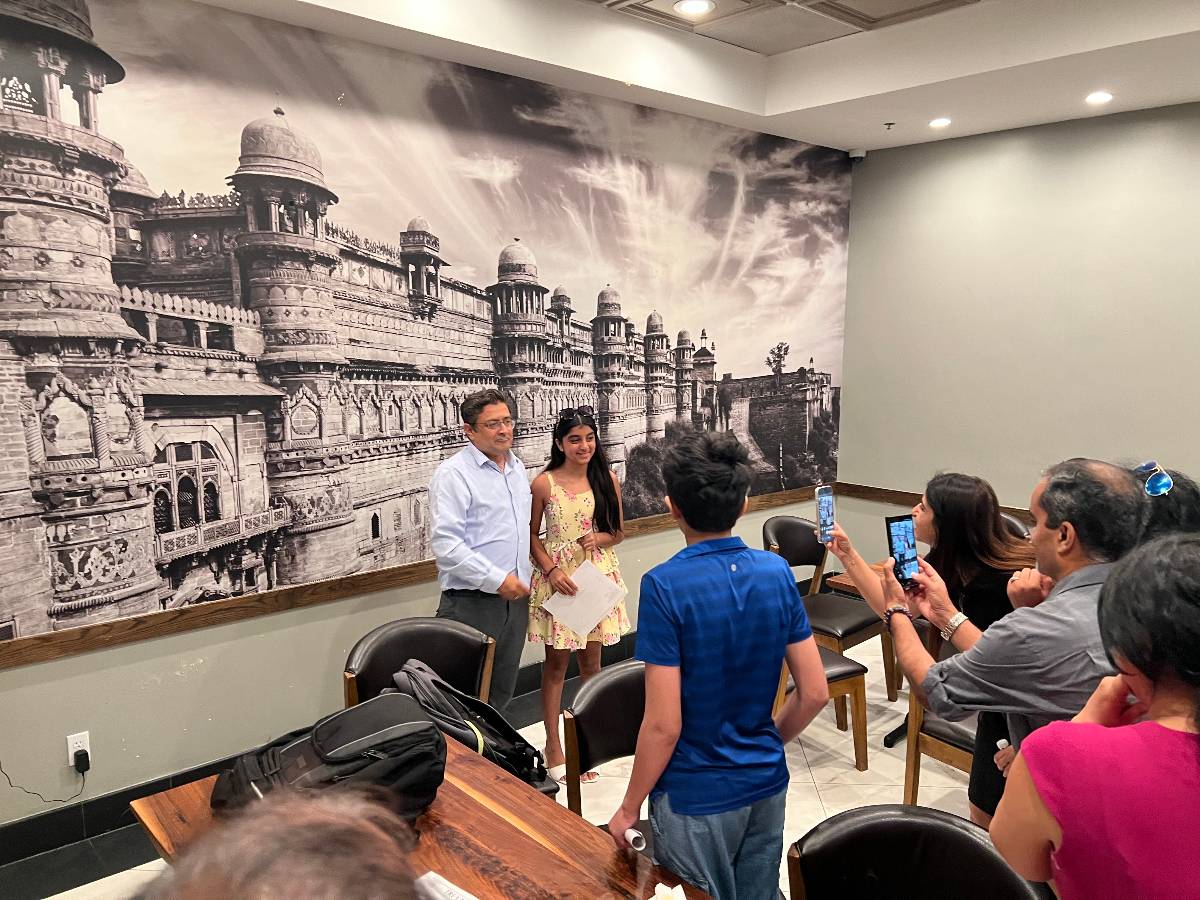
(Photo: Recent OpGov.New Community Leadership Crash Course draws youth out)
Recognizing Young Champions of Democracy
The event also included presenting prizes to the winners of the Youth Democracy Contest, recognizing young people who contributed ideas and creative work related to civic participation.
The final portion of the gathering was dedicated to collaborative planning and brainstorming. Participants discussed how candidates and civic advocates could coordinate their efforts, share knowledge, and avoid duplicating work while maintaining their independent campaigns and priorities.
The workshop demonstrated that people do not have to begin with extensive funding, political connections or years of campaign experience. They need a clear reason for running, a willingness to conduct careful research, a realistic understanding of the commitment and the courage to take the first step.
For Joel, Narayan and Chirag, that first step came only days later. They entered the meeting as residents exploring public service—and filed on Monday as candidates ready to pursue it.
0
0

Comments