(CHARLOTTE, N.C.) — Former Charlotte Mayor Jennifer Roberts has emerged as an early contender to temporarily reclaim the city’s top office following Mayor Vi Lyles’ sudden resignation announcement, adding a new political twist to an already turbulent transition period in North Carolina’s largest city.
Former Mayor Seeks Temporary Return to Office
Roberts, who served as Charlotte mayor from 2015 to 2017 before losing to Lyles in a Democratic primary, formally offered to serve as interim mayor in a letter sent Monday to Charlotte City Council members.
Lyles announced last week that she will resign effective June 30, ending her tenure roughly 18 months before her current term expires.
The decision surprised many Charlotte residents and political observers because Lyles had only recently won reelection to a fifth term by a wide margin.
While the outgoing mayor cited family reasons and a desire to spend more time with loved ones, speculation surrounding her health and political future has continued to dominate local discussions.

In a reflective moment, Mayor Lyles cites a desire to spend more time with her family as the primary reason for stepping down 18 months early.
(Photo Credit: USA Herald)
Roberts Pledges Stability and No Salary
Attention has now shifted toward who will lead Charlotte during the transition. Under North Carolina law, the Charlotte City Council must appoint an interim mayor who belongs to the same political party as the outgoing mayor. Since Lyles is a Democrat, her replacement also must be a Democrat.
Roberts has attempted to position herself as a stabilizing figure during the uncertainty. In her letter to council members, she said she felt “called” to serve after hearing encouragement from residents and community leaders.
She emphasized her prior experience leading Charlotte and argued that her familiarity with city government would allow for continuity during a potentially divisive political moment.
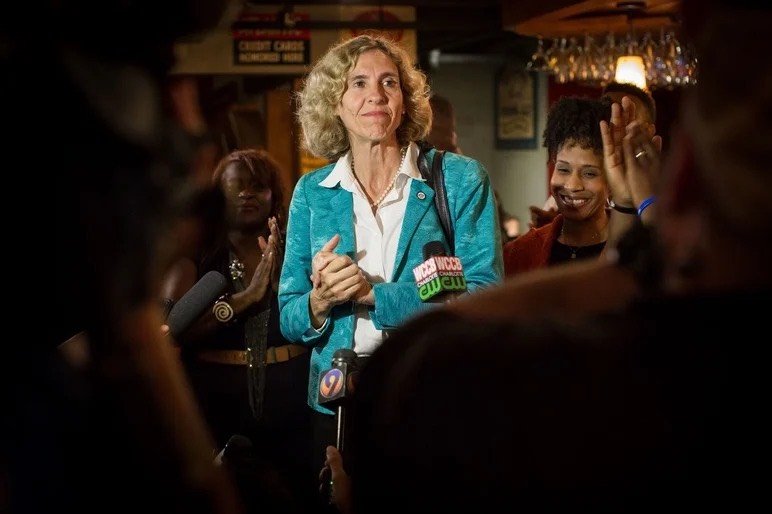
Former Mayor Jennifer Roberts has offered to serve as interim leader without pay, promising a steady hand during the city's upcoming leadership transition.
(Photo Credit: Charlotte Magazine)
The former mayor also sought to distinguish herself from potential rivals by pledging not to run for a full term in 2027 if selected as interim mayor. Roberts additionally stated she would refuse both a salary and benefits while serving in the temporary position, framing her offer as an act of public service rather than political ambition.
“I would not require a salary,” Roberts wrote, while also promising to listen to “the wonderfully diverse voices that make our city great.”
A Complicated Political History
Roberts’ interest in returning to office carries political symbolism because of her history with Lyles. In 2017, Roberts lost her reelection bid to Lyles during a contentious Democratic primary, ending her single term as mayor. Lyles then went on to become Charlotte’s first Black female mayor and one of the city’s longest-serving leaders.
During her time in office, Roberts built a reputation as a progressive leader focused on climate policy, transportation, and social equity initiatives. Since leaving office, she has remained active in civic and environmental organizations throughout the Charlotte region.
Still, Roberts may face competition for the interim position. Multiple council members and political figures are reportedly considering seeking the appointment, and observers expect intense negotiations within Charlotte’s Democratic leadership over the coming weeks.
Because Democrats hold a strong majority on the Charlotte City Council, internal party alliances will likely determine the outcome.
What Comes Next for Charlotte
The interim mayoral appointment carries broader political implications for the future of Charlotte. The person selected will immediately inherit responsibility for major issues facing the rapidly growing city, including affordable housing shortages, transportation expansion, economic inequality, and public safety concerns.
Charlotte leaders are also navigating continued debate surrounding mental health services and crime following several high-profile incidents over the past year.
Whoever assumes the role may gain significant visibility heading into the next full mayoral election in 2027, even if Roberts herself insists she will not run.
Meanwhile, Lyles remains in office until June 30 and has continued appearing at city meetings following her resignation announcement.
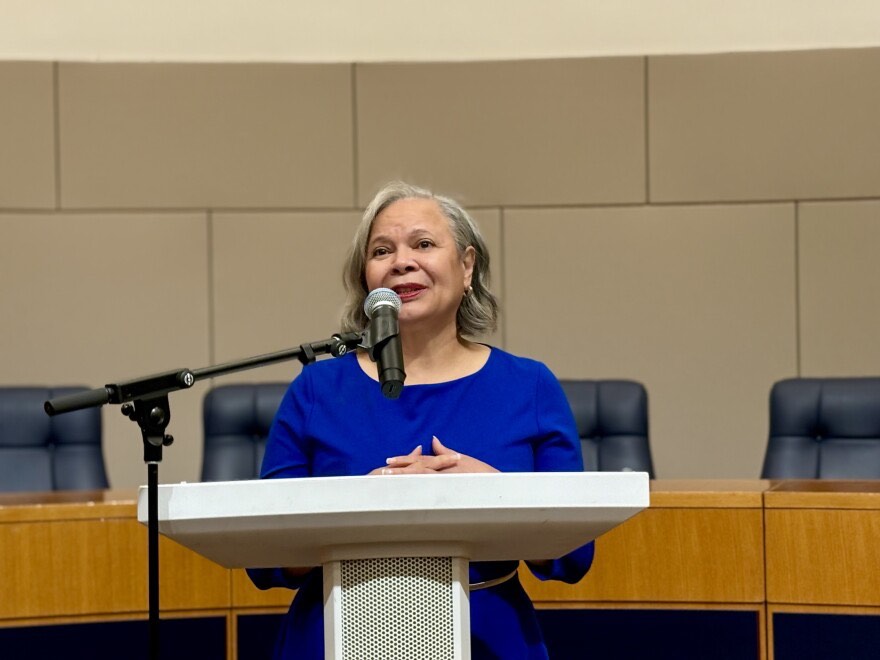
Mayor Lyles leaves behind a nearly decade-long legacy defined by significant economic growth and major investments in Charlotte's neighborhoods.
(Photo Credit: WFAE)
Despite the controversy and speculation surrounding her departure, Lyles leaves behind a significant political legacy.
During her nearly decade-long leadership of Charlotte, she oversaw major economic growth, transportation development, and housing initiatives while helping guide one of the nation’s fastest-growing cities through periods of political and social change.
You can reach Victoria Osborne at victoriao@lead4earth.org.
(Thumbnail Photo Credit: AOL.com)
0
0

Comments