(ESCAMBIA, COUNTY) --- If you drive on I-10, I-75, or any state highway in Florida, the cameras that have been quietly scanning your license plate for years are about to come down.
On August 31, 2026, the Florida Department of Transportation revoked every permit allowing police to install Automated License Plate Readers (ALPR), in the state right-of-way. Agencies now have 30 days to remove them. FDOT also banned any new cameras from being installed.
It’s the first time any state has ordered a statewide removal of police license plate readers from state roads.
In the memo signed by FDOT Chief Operating Officer Will Watts, the department said the number of ALPRs on state roads had increased “exponentially” in recent years.
FDOT cited “concerning reports of misuse, data privacy concerns, and surveillance schemes” and said the action was needed to “preserve Floridians’ sovereignty and quality of life.”
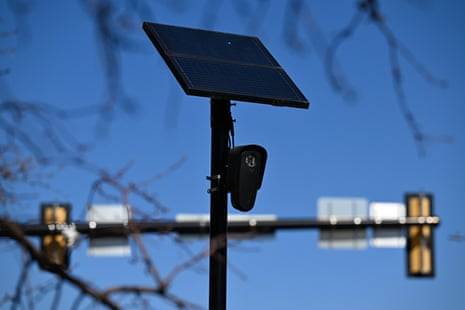
(Photo credit: TheGuardian.com)
Under Florida law, only law enforcement can get FDOT permits to place ALPRs on state highways. Until now, approval was routine.
ALPRs are not new. Florida agencies began testing the cameras in the early 2000s to find stolen cars and fugitives. At first there were just a handful, mostly around ports and border counties.
By the 2010s, the cost dropped and the cameras got smaller. Cities, counties, and even HOAs started buying them. By 2024, there were thousands mounted on overpasses, light poles, and patrol cars across the state.
What started as a tool to catch car thieves became a network that could track the location of any car, any day. One scan creates a record with a plate number, time, and GPS location. That data is stored for months or years and can be searched later.
Civil liberties groups and residents have pushed back for years, arguing the cameras created mass surveillance without a warrant. That pressure appears has reached a tipping point in 2026.
Local agencies have until September 30 to remove ALPRs from state roads. If they don’t, FDOT says it will remove them. Any device deemed a safety hazard can be taken down immediately.
The ban only applies to the State Highway System. Police can still use ALPRs on city streets and county roads.
The biggest unanswered question: what happens with the data collected until the cameras are taken down?
Millions of plate scans are stored in databases run by local agencies and private vendors.
Law enforcement officials say ALPRs help solve cases faster, from Amber Alerts to homicides. Privacy advocates say the rollback is long overdue.
For now, the cameras on your state road commutes are coming down.
To add to any information or to share a tip, please contact me at pepper.w@lead4earth.org.
0
1

Comments