(OPGOV GLOBAL) – If you walk into an American grocery store today, there will be food products with added protein on every aisle.
Even popular chains, such as Starbucks, are offering protein-enhanced products with drive-thru convenience. Grocery stores are also jumping on the bandwagon. Protein cereal, protein salad dressing, and protein macaroni and cheese sound like an easy way to add more protein to your diet, right?
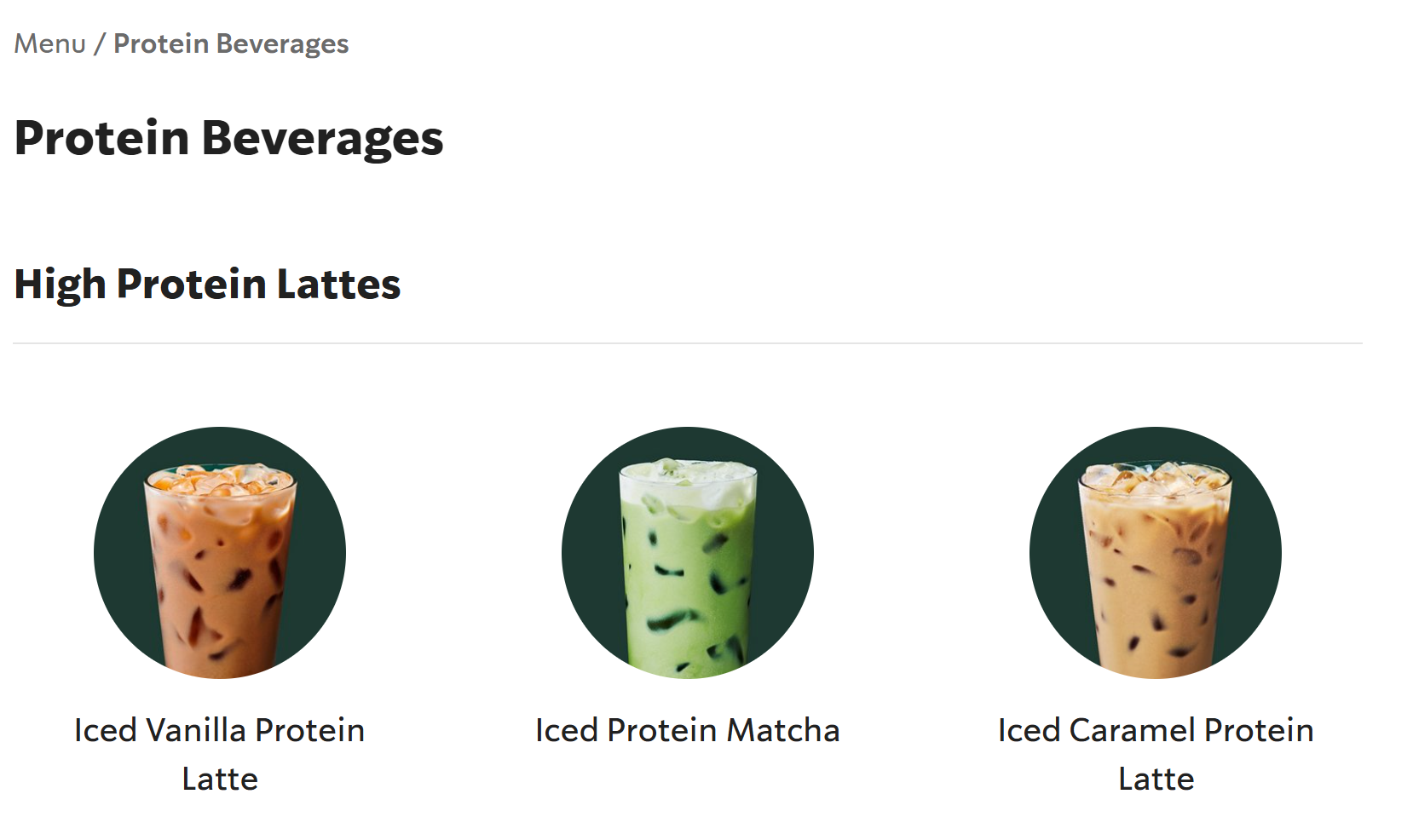
Photo Credit: Starbucks Website
Experts say there is not, and has never been, a protein deficiency in the average American diet. It’s so rare, in fact, that many experts in nutrition are questioning the validity of the U.S. Department of Health and Human Services’ decision to reorganize the food pyramid to include protein as a higher priority than other essential nutrients.
So why the sudden push to “prioritize protein at every meal,” as the DHHS says?
The problem is that the added protein isn’t there to make your food any healthier. It’s there because companies can charge, on average, 50% to 100% more for protein-enriched products.
The trend didn’t start because of this food pyramid re-write, however. It started with health and wellness influencers online who push the idea of certain dietary changes as if they’re scripture. Millions of social media consumers believe them. In fact, over half of Americans use social media as a source of news and information, so this isn’t a particularly shocking fact.
These influencers dedicate large amounts of their time to exercise in the form of weightlifting, cardio, pilates, or other forms, documenting their progress and relaying their routines to unsuspecting social media users, most of whom will not follow a similar workout regimen.
That doesn’t stop anybody from thinking that, based on these videos, eating more protein automatically makes you buff.
Few of these influencers actually have credentials that would classify them as a reliable source of nutrition or wellness information, so most of what we see online is based on the experience of the individual– not properly conducted, scientific studies.
The reality is that, unless you are putting in some serious work at the gym every day, there’s no need for you to supplement your diet with protein-enriched foods you would otherwise consume without the added protein.
The exception, of course, is the aging population, who naturally experiences decreasing muscle mass as the aging process unfolds (sarcopenia); therefore, a slight increase in protein consumption can be beneficial.
A 2024 study actually determined that excess protein can lead to cardiovascular complications such as hardening of the arteries (arteriosclerosis and atherosclerosis) and a subsequent increased risk for heart attack or stroke.
While the general consensus among influencers is that there’s no such thing as too much protein, Mayo Clinic recommends that a sedentary adult consume protein based on their body mass: “Protein should account for 10% to 35% of your calories. So, if your daily needs are 2,000 calories, that's 200-700 calories from protein or 50-175 grams,” says Dietitian Kristi Wempen.
Her analysis includes a recommendation to not rely on protein alone when it comes to eating a healthy, balanced diet.
“Protein should accompany fruits, vegetables and whole grains, not make up your entire meal. If you feel you need more protein, consider adding more beans, lentils, soy or seafood rather than processed supplements,” she says.
Even if you load up on protein, the body can’t store it–in its traditional form– because the protein we eat is made of amino acids, so it’s either burned as energy (when you’re active) or it’s stored as fat.
On average, a person should consume around 50-175 grams of protein per day depending on their mass and activity level, but this number is very easily met with a balanced meal three times per day. This means you very likely don’t need to get your coffee loaded down with extra whey, and you definitely don’t need your ranch to contribute to your protein intake.
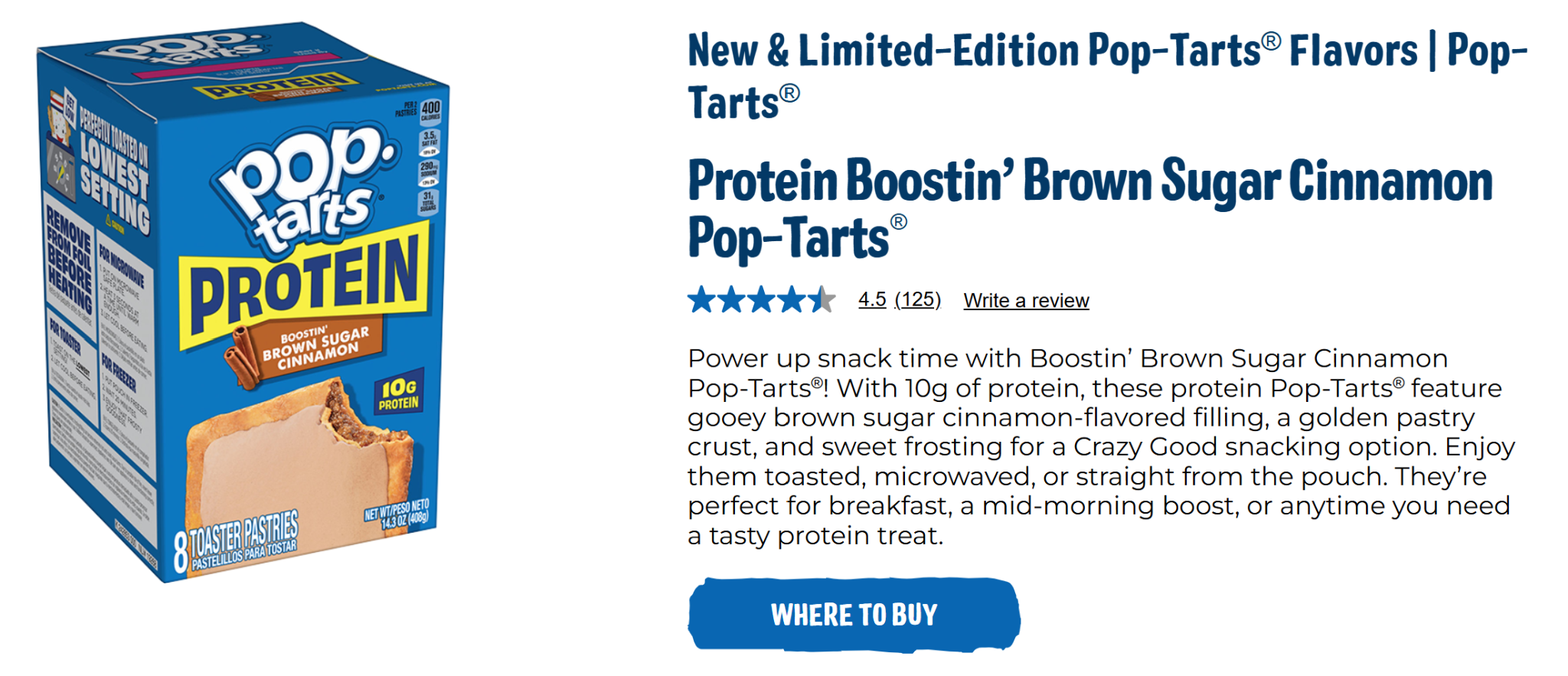
Photo Credit: Poptarts.com
So, while the food industry profits from slapping an “added protein” label to your favorite pop-tarts, you’re really not getting much out of the deal except a bigger dent in your wallet.
To add to or correct any information in this report, please contact me at tracy.t@lead4earth.org.
0
0

Comments