(PENSACOLA, FL) – District 2 Councilman Charles Bare is introducing a one-year moratorium on data centers.
The moratorium for the ban is accompanied by a revised land development code, which Bare said has not been altered since 2014. Both will be discussed at the July 16 meeting.
“This will give us time to draft acceptable language in the land development code and will ensure there is no data center installed in the next year,” Bare told OpGov.News.
The proposal follows resident opposition to data centers over water use, power draw, and transparency at recent public meetings.
Bare said a permanent ban would require a change to the land development code, adding "the city is in the middle of rewriting its land development code, so I believe this is the ideal time to add this language."
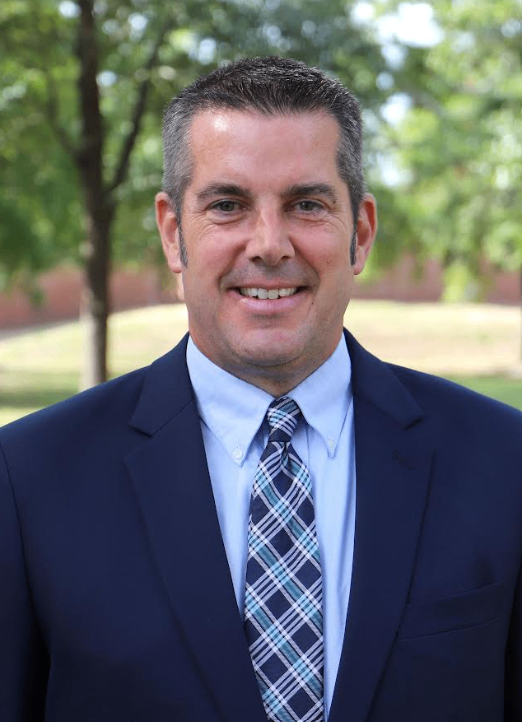
(Photo: City of Pensacola website)
Similar to Santa Rosa County's one-year pause in June 2026, the one-year moratorium would freeze new data center applications and permits while the city drafts permanent land development code language, according to Bare, who noted it will not impact existing businesses.
Bare made it very clear why he is sponsoring the law.
“I am against data centers in the city because of their negative environmental impacts, strain on infrastructure and insignificant employment generation,” Bare said. “Not only do they consume an enormous amount of electricity, but they require large quantities of water for cooling."
The councilman continued, saying, "Data centers also create high power demand, which can strain the grid or require significant upgrades, potentially resulting in rate increases for all users.”
Bare points to rate increases playing out elsewhere. In Utah, Rocky Mountain Power asked regulators to make ratepayers cover $3.2 billion in upgrades for a Meta data center, according to Bare, who added that the commission rejected the request.
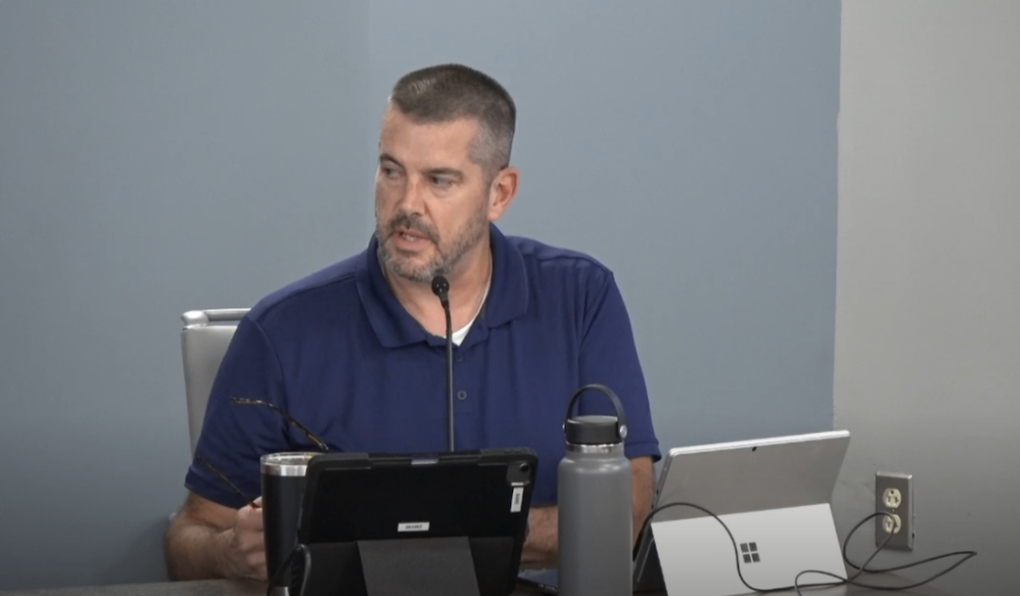
(Photo: Charles Bare at April Agenda Conference)
Additionally, in Ohio, American Electric Power’s tariff would have left customers covering 85% of transmission costs for new data centers before lawmakers intervened.
“The number of permanent jobs generated when compared to other potential developments is also small. We need economic development that will bring in good jobs for our citizens,” Bare said. “I am also concerned about who will own the data center. Foreign ownership could lead to security concerns.”
Bare connected data centers to surveillance infrastructure.
“As I have stated in council meetings, I do not support the funding source for FLOCK. Even with a different funding source, I would not support FLOCK for our City,” he said. “I think the security and privacy concerns outweigh the potential benefits."
Bare said he would support city-owned cameras with strict use and monitoring policies, but the purchase could be cost-prohibitive since "our own equipment would likely be much more expensive than using FLOCK."
Flock protest is not just a local issue.
Since January, fourteen U.S. states have introduced legislative proposals to pause or halt new data center construction. Local governments in over 100 cities, counties, and towns have enacted or weighed moratoriums. In the first quarter of 2026, 75 data-center projects worth $130 billion were blocked or delayed by local opposition, according to Data Center Watch.
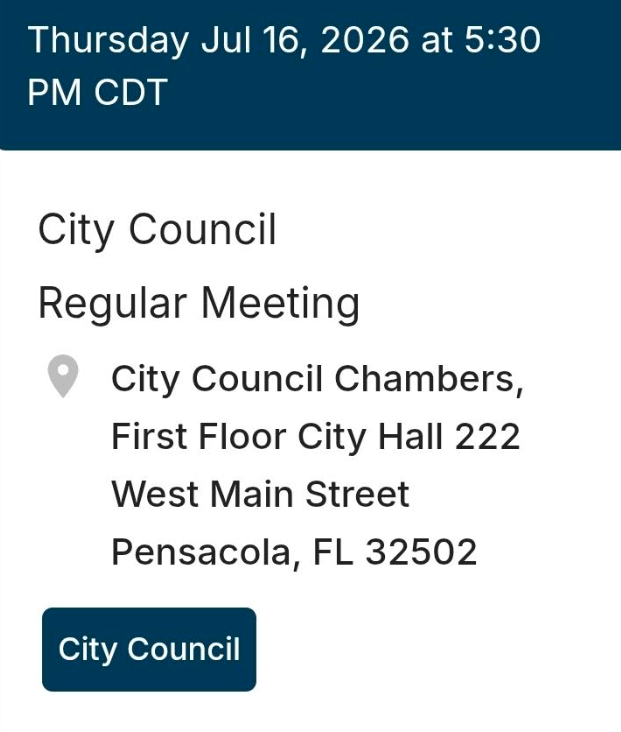
How to weigh in: Public comment is taken at the start of the July 16 City Council meeting, Wednesday, July 16, at 5:30 p.m. at 222 W. Main St.
Residents can speak for 3 minutes per person. The agenda and draft of the moratorium ordinance will be posted on Cityofpensacola.com.
0
0

Comments