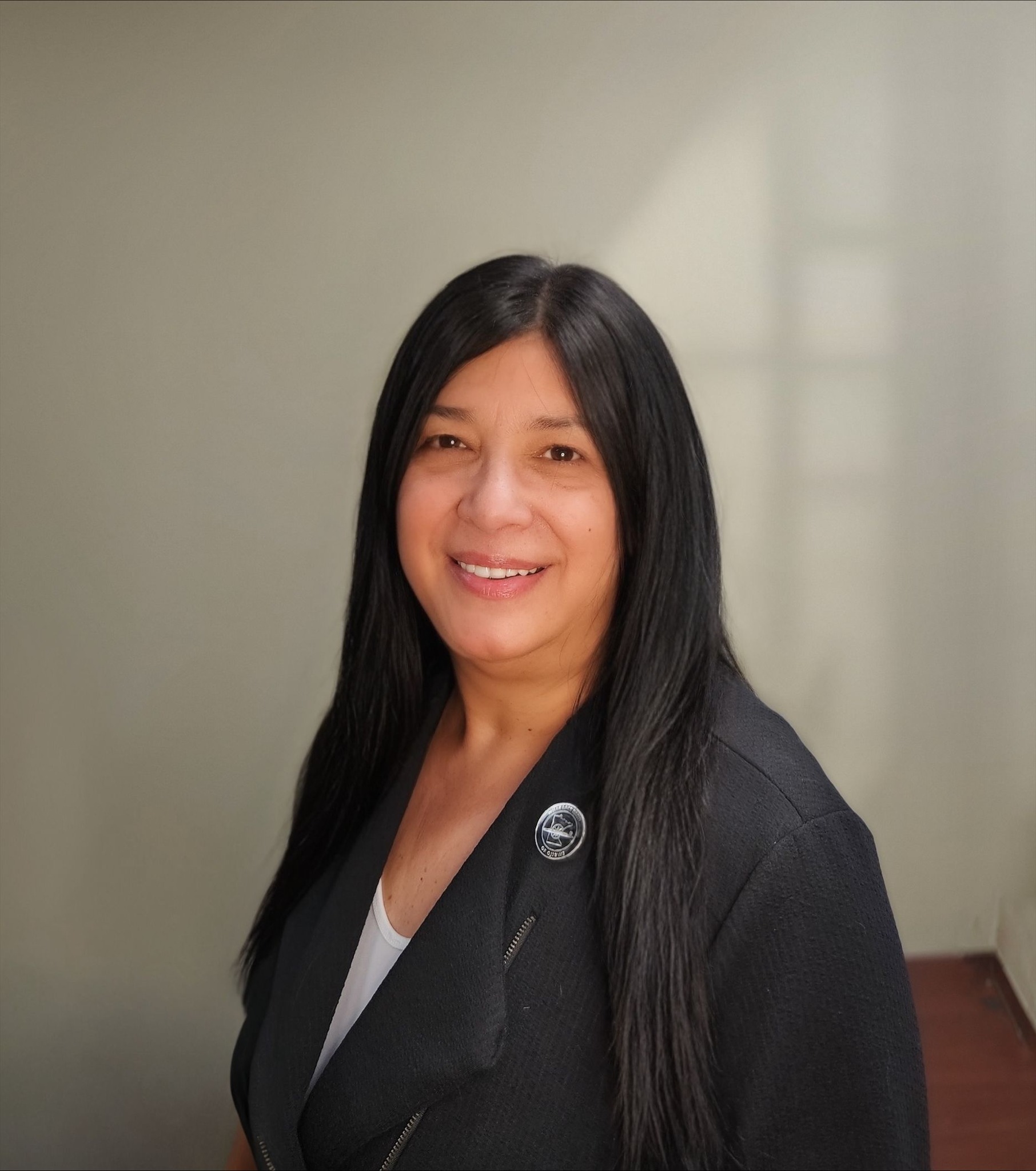
Photo Credit: Michelle Pomerleau
(GARY, MN.) – I never know what to expect when I reach out to someone for an interview, luckily, when I reached out to Michelle Pomerleau what I got was a friendly and willing participant. She was excited to talk about her community and her vision for the future of the Mille Lacs Band of Ojibwe.
Below you’ll discover our informal interview on Apr. 28, where Pomerleau spoke openly about the qualities required in leadership, issues facing the tribal community, upholding tradition, and the importance of family.
Interviewer: You promise to lead with honesty, respect and integrity. Do you feel these qualities are currently missing within the existing Tribal Council, or are these just qualities you feel are important to building trust between tribal members and leadership?
Pomerleau: No, I’m not saying those qualities are missing, or criticizing current leadership. I’m saying that honesty, respect, and integrity are essential in any leadership, all the time. By naming these values, I’m making a commitment to how I will lead.
I will be clear and truthful about decisions; I will treat everyone and their opinions with respect; and I will follow through and act in the best interests for our community and the Tribe. In other words, I will be transparent, approachable, and accountable. That’s how trust is built and maintained.
Interviewer: What do you feel are the biggest issues facing your community today?
Pomerleau: Substance abuse is hurting families in our community, and sending our community members away has not solved it. We need to face this issue head on. Drug dealers are hurting our people and our families [too]. They bring drugs onto our reservation to make money, without caring about the damage they cause. This will not be tolerated. Community members must be able to report drug activity safely without fear. Silence protects dealers, unity stops them. Tribal Police, Tribal Courts, Health and Human Services (HHS), and leadership must stand together, respond quickly, and hold offenders accountable.
At the same time, we must strengthen our people. By providing treatment, detox, and recovery services here at home, we take power away from drug dealers and return it to our community. Healing, accountability, and enforcement must go hand in hand. Detox and recovery work best when people are close to family, culture, and support. We should explore ways to provide detox, mental health care, and long-term recovery services that are connected to our community and culturally informed.
Asking for help is not weakness, it is strength. Leadership must end the stigma and support healing.My goal is to keep our community members home, supported, and safe as they work toward recovery. This crisis threatens us all, and overcoming it will require all of us, working together to protect our people, defend our lands, and build a stronger, healthier future for the Mille Lacs Band.
Interviewer: When I contacted you for an interview you mentioned you would be out netting on Mille Lacs Lake. Do you believe exercising treaty given rights like netting helps reinforce tradition and prevent violations to existing treaties?
Pomerleau: Yes, I do. Netting isn’t just about fishing, it’s about culture, teaching younger generations, and continuing the way our people have lived for generations. I really enjoyed seeing the younger generations out there with their families this year!
Exercising treaty rights, like netting, is an important way to keep those rights alive and protected. It shows that the Tribe continues to govern itself and uphold agreements made with the federal government. Treaty rights only stay strong when they are used, respected, and defended.
Interviewer: Netting sounds like one of the ways you like to relax and connect with tradition. What is it you love about being out on the lake fishing?
Pomerleau: This time of year means everything to me. Decades ago, my brother Kenny took me netting even when I didn’t want to go. That’s just who he was. When Kenny passed over 20 years ago, I wanted to stop, but my dad reminded me that my brother didn’t take me out all those years for me to quit.
He told me to keep practicing my treaty rights and carry Kenny’s memory forward. Now that is what I do every year. I honor my brother, our traditions, and time with family and friends.
Interviewer: When you look at the future of Mille Lacs tribal community, what do you see?
Pomerleau: When I look into the future of the Aazhoomog community, I see people being put first, always. I see families feeling safe and supported in their homes and neighborhoods, elders honored for their wisdom, protected with dignity, and included in shaping our path forward, and I see children given a strong, healthy start, grounded in culture, opportunity, and hope. I see our language, traditions, and identity respected and carried forward with pride, our community voices not only heard but valued in decision-making.
I see us facing the hard issues: addiction, mental health, and community safety with honesty, courage and unity. Instead of ignoring problems or pushing people aside, we stand together to address them here at home, strengthening our people and our future. I see leadership that listens, tells the truth, and works side by side with the people. Most of all, I see a community where people know they matter and where we take care of one another.
To get more information about Michelle Pomerleau or message her directly you can reach out to her via her official candidate page on Facebook. Tribal community members can also find information on voting dates and locations under Election Information on the Mille Lacs Band of Ojibwe website.
To add to or correct any information in this report, please contact me at kristin.h@lead4earth.org and leave a comment below.
0
2

Comments