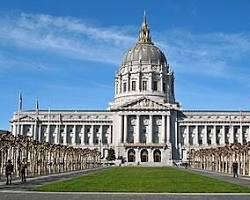
Photo Credit: San Francisco Hall of Justice
A San Francisco Superior Court judge, as of July 9, has dismissed all felony drug charges in a landmark case, deeming that local police officers had acted with racial bias during a street stop. This decision, invoking the California Racial Justice Act (RJA), has sparked debate in the Bay Area legal community over systemic discrimination, “pretext stops,” and public safety.
Many citizens praised the ruling as a historic victory for constitutional rights under the RJA, which is intended to prohibit racially discriminatory convictions or sentences.
Defense advocates claim that the officer’s immediate use of force in the relevant case was reflective of racial biases: The Racial Justice Act was designed for just this type of case, where the officers' conduct at every decision point was infected by racial bias," said Deputy Public Defender Aaron Pressman, the defendant’s attorney. Deputy Public Defender Lilah Wolf, who litigated the case, elaborated on the broader impact of the ruling, stating, "We're grateful the court dismissed the charges because it is the proper remedy for these harms."
However, some law enforcement supporters and local residents expressed concern that dismissing serious drug charges on the basis of implicit bias undermines public safety, especially in areas struggling with substance abuse markets. Critics argue that utilizing the RJA could weaken police authority and make it more difficult for law enforcement to address high-crime neighborhoods.
"We need active policing to keep our streets safe, and dismissing felony cases on these grounds could discourage officers from doing necessary work," argued a local neighborhood association representative. Others raised concerns that the ruling might prioritize procedural debates over immediate neighborhood security, leaving vulnerable business districts exposed.

Photo Credit: San Francisco Public Defender’s Office
This landmark dismissal may significantly alter the criminal legal system for Bay Area citizens. Legal analysts predict that the ruling may trigger an increase in similar RJA challenges across Northern California. This may enable police departments to significantly scale back on "pretextual" stops for minor infractions.
For residents in heavily policed neighborhoods, this shift could mean a noticeable reduction in constant police encounters; however, for business owners and citizens struggling with retail theft, there is rising anxiety that a decrease in “pretextual” policing could lead to a perceived decline in public safety. Ultimately, Bay Area residents will find themselves at the center of a statewide experiment testing whether dismantling systemic bias in the legal system can successfully coexist with maintaining safe, orderly neighborhoods.
The San Francisco Superior Court continues to hear key evidentiary motions regarding local policing practices and civil rights.
Correction or Addition? If you would like to add information to this report or suggest a correction, please contact me at alizeh.i@lead4earth.org.
0
0

Comments