(KENNESAW, GA) --- Attorneys from three law firms in Georgia provided insight on challenges immigrants face amid I.C.E operations.
Numbers show there are immigrants living in the Peach State.
According to the Georgia Budget and Policy Institute(GBPI), 1.3 million immigrants reside in Georgia, comprising 11.6% of the total population in the state.
OpGov.News spoke with Charles Kuck, Erin Elliott, and Eszter Bardi.
Kuck is an immigration lawyer for Kuck and Baxter, Elliot is an immigration lawyer for Elliot Immigration, and Bardi is a removal attorney for the Sonoda Law firm.
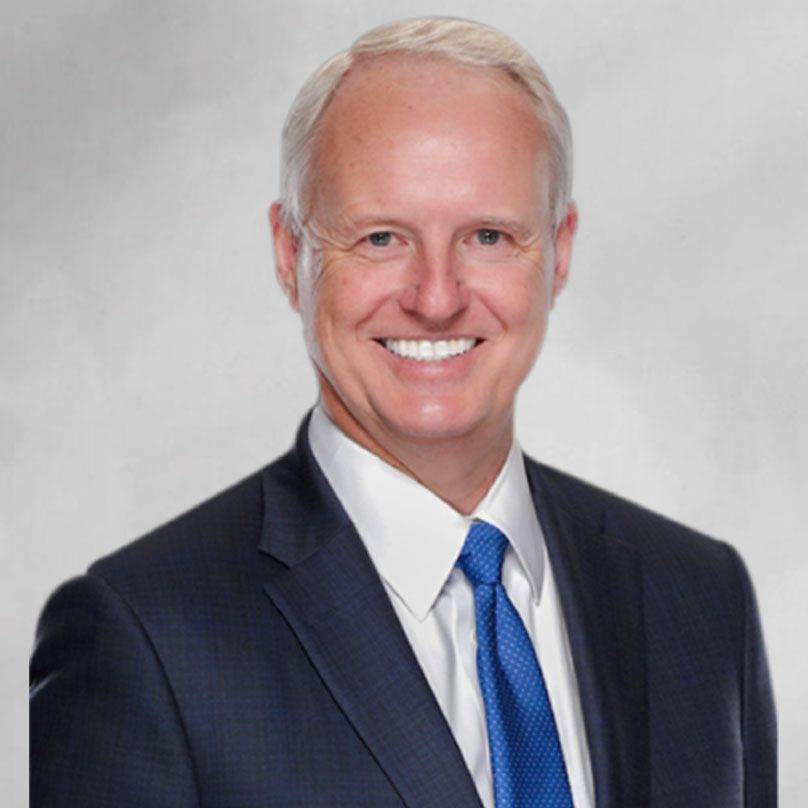
Charles Kuck, Photo Credit: Impact Immigration
When asked how immigrants can feel secure amid I.C.E operations, Kuck said, “I've met very few immigrants who feel secure, whether they're residents or visa holders or U.S. citizens who used to be immigrants who feel secure under Trump.”
Kuck added that there’s nothing immigrants can do to feel secure.
Elliot shared her perspective.
“I don't know that there's a way to feel secure all the time,” Elliot said. “But I think the best thing to do is understand, depending on what your status is, what documents and evidence you should carry with you and what your rights are.”
Immigration in the United States has become more prevalent over time. OpGov.News wanted to learn more about tips for immigrants to stay protected under their visas or green cards.
Visas are temporary and are an official document, typically stamped or glued into a passport, that provides authorization for a foreign citizen to enter, leave, or stay in a country for a specific purpose (like tourism, work, or study) and for a set period.
Having a green card, officially known as a Permanent Resident Card allows you to live and work permanently in the United States.
Elliott explained how illegal immigrants can obtain a green card or visa.
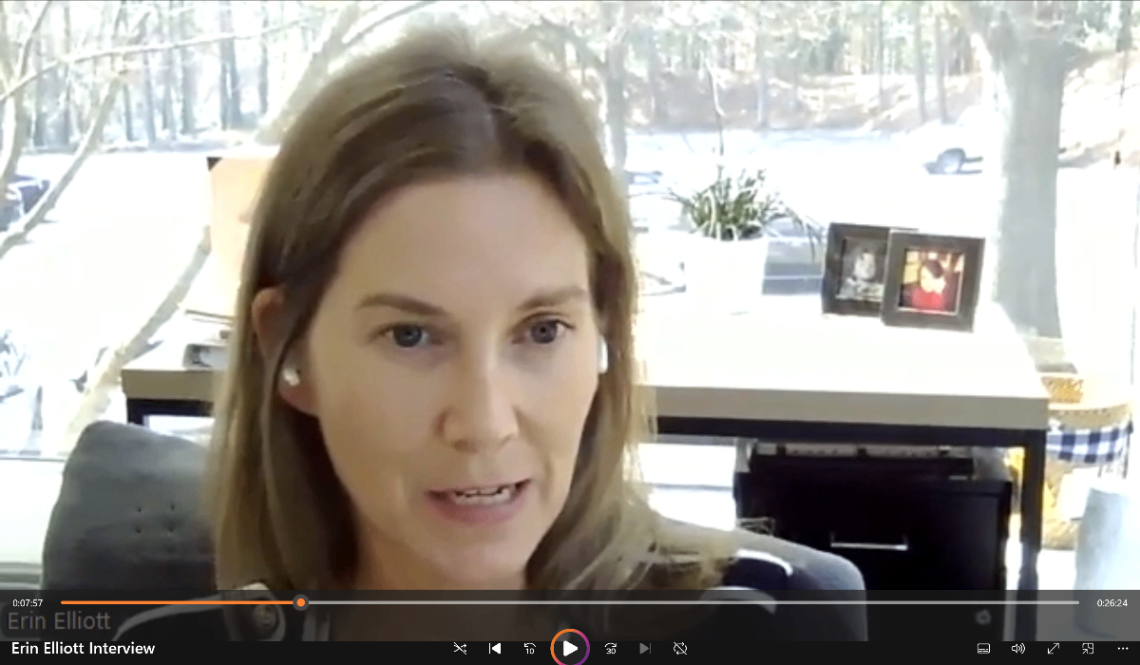
Erin Elliott, Photo Credit: Jorden Hampton Zoom account
“There’s family sponsorship, an employer sponsor, or humanitarian, which is like asylum, for example,” Elliott said.
Elliot also described immigrant violations when they have overstayed an authorized period of stay.
Violations can start with an I-94, which is an official U.S. Arrival/Departure Record for foreign visitors, proving their legal entry, immigration status (like F-1 student or H-1B worker), and how long they can stay in the U.S.
“And usually, it could be like six months if you come as a visitor,” Elliot said. “If you overstay that, you’re not eligible for a lot of things after that.”
Immigrants with an I-94 are supposed to know if they’ve overstayed their welcome and aren’t notified, according to Elliot.
Bardi, who is fluent in Spanish, Hungarian, and German, elaborated on the differences between a visa and a green card.
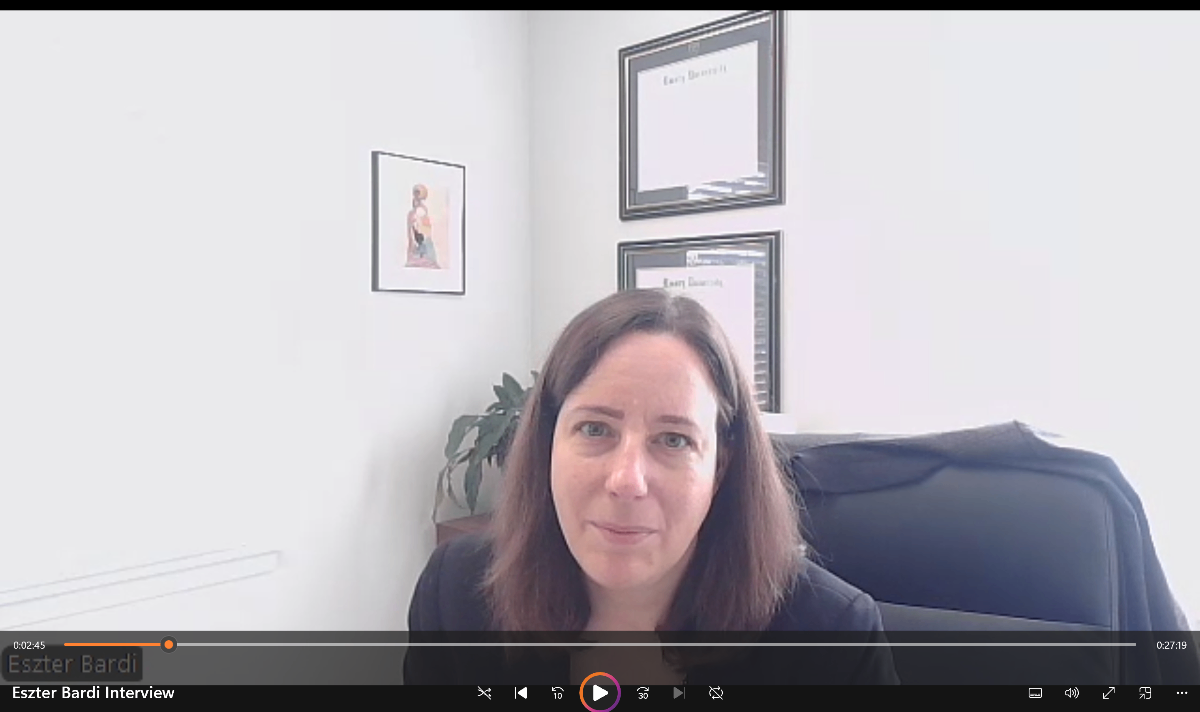
Eszter Bardi, Photo Credit: Jorden Hampton Zoom account
“If somebody qualifies for a green card and they get it, they are an immigrant,” Bardi said. “They’re here to stay. They’ve immigrated, and they can eventually apply for citizenship. But visas generally carry non-immigrant intent.”
Immigrants need advice from legal experts while they adjust to society. Kuck provides advice to immigrant clients so they can stay in the United States
“What I tell my clients who are legally in the United States is that you carry your evidence with you,” Kuck said. ‘‘If you are a naturalized citizen, you probably should carry your passport with you.”
The Donald Trump Administration has presented challenges for immigrants, and policy has changed drastically.
Kuck detailed the challenges surrounding immigration during the Trump Administration.
“The Trump administration has changed hundreds of immigration policies, and they have uniformly made immigration, legal immigration, more difficult,” he said. “It is an actual all-out war on legal immigrants in the United States, and we will see a substantially reduced number of legal immigrants in the United States this year because of these policies. "
Kuck added, “No administration has done what the Trump administration has done.”
Elliot shared her perspective on how immigrants are scrutinized during the Trump Administration.
“I think there's this idea that immigrants are causing all of the problems in the U.S.,” Elliot said. “I think in particular, there's this idea that they're taking jobs, and they're not giving back, and they're using public benefits, and taking advantage of the country.”
Immigrants can also face challenges assimilating into American society.
Kuck, Elliot, and Bardi provided their perspectives on the challenges immigrants face in society.
“I think the biggest challenge is the dramatic lack of English and civics classes in the United States,” Kuck said.
“There's a fear of not being accepted, or that's just kind of an assumption,” Elliot said. “I mean, there are terrible stories, but then I think the stories that are really hard are the ones where it's, it's literally just hard to like drive your car, you know, because you get stopped.”
“It's very difficult for folks to carry out their daily lives,” Bardi said. “Many of these people have been here for decades, maybe were brought as a child, maybe didn't have a choice in whether they wanted to be here illegally.”
If you have any questions, comments, or concerns, please contact jorden.h@lead4earth.org.
1
1

Comments