(ATLANTA, GA.) — The Atlanta City Council’s City Utilities Committee conditionally approved more than $234 million in mechanical repair contracts and advanced water infrastructure budget amendments Wednesday, but not before raising questions about project details.
The committee approved the items on the condition that the Department of Watershed Management (DWM) would provide additional details, including facility-by-facility breakdowns of the work and clarification on what each project will need, before the legislation moves to the full council.
The largest item approved was a $155,738,400 budget amendment for the Flint River Pump Station upgrades project. Hugh Puckett, director of the Office of Water Treatment and Reclamation, said the project is intended to address ongoing operational issues at the facility.
“We're hoping to prevent the clogging by updating the obsolete second-stage pumps and installing new bar screens to remove debris, which will significantly reduce or completely eliminate clogging of the pumps,” Puckett said. “Updating the electrical control structures and safety features will extend the life of this station for an additional 15 years. After cleaning, this will allow us to send the reclaimed water to the headworks of the South River facility.”
The committee also advanced two major mechanical repair and services contracts: a $220.7 million contract with Lake Shore Engineering CTS and a $14 million contract with Ruby Collins SE Consultatorium.
Councilmember Alex Wan questioned the size of the Lake Shore contract, noting that the agreement began in 2022 as an annual contract and had averaged about $4 million to $5 million in spending each year.
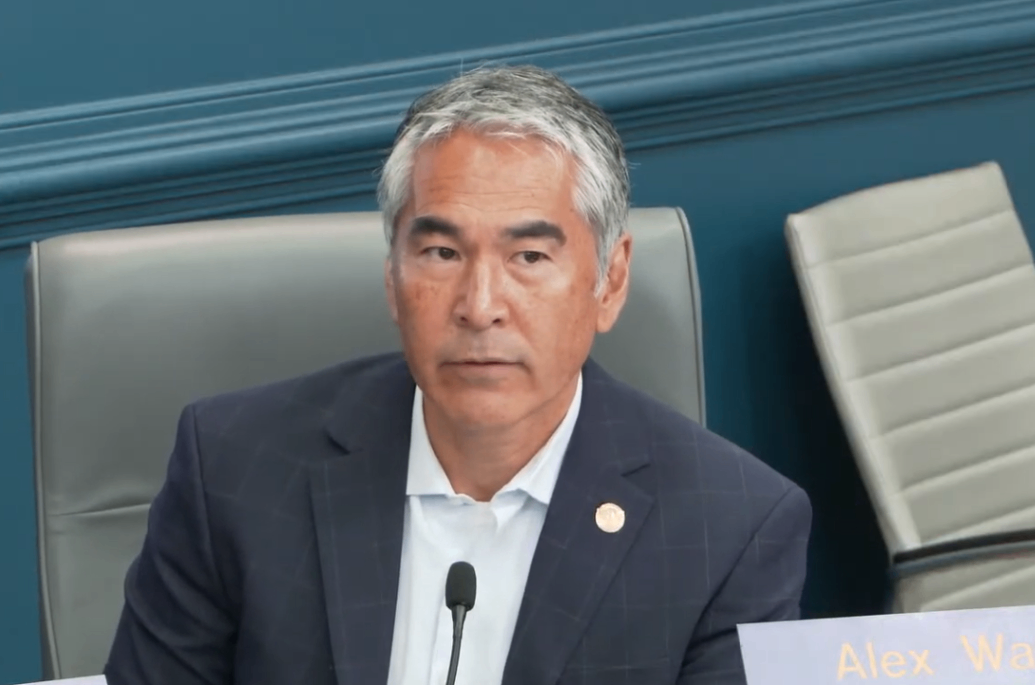
Photo Credit: YouTube / City of Atlanta
“When we started this contract in 2022, it was an annual contract, and we've been averaging about $4 million or $5 million for the last couple of years, and now we're adding $220-some million in one fell swoop,” Wan said. “We actually are significantly multiplying what we've spent over three years on this contract.”
Wan questioned whether the increase would require the city to formally waive its procurement code and whether extending an existing contract was the right approach for a project of that size.
Assistant Watershed Commissioner Hugh Smith deferred questions about the contract increase to the city’s attorneys.
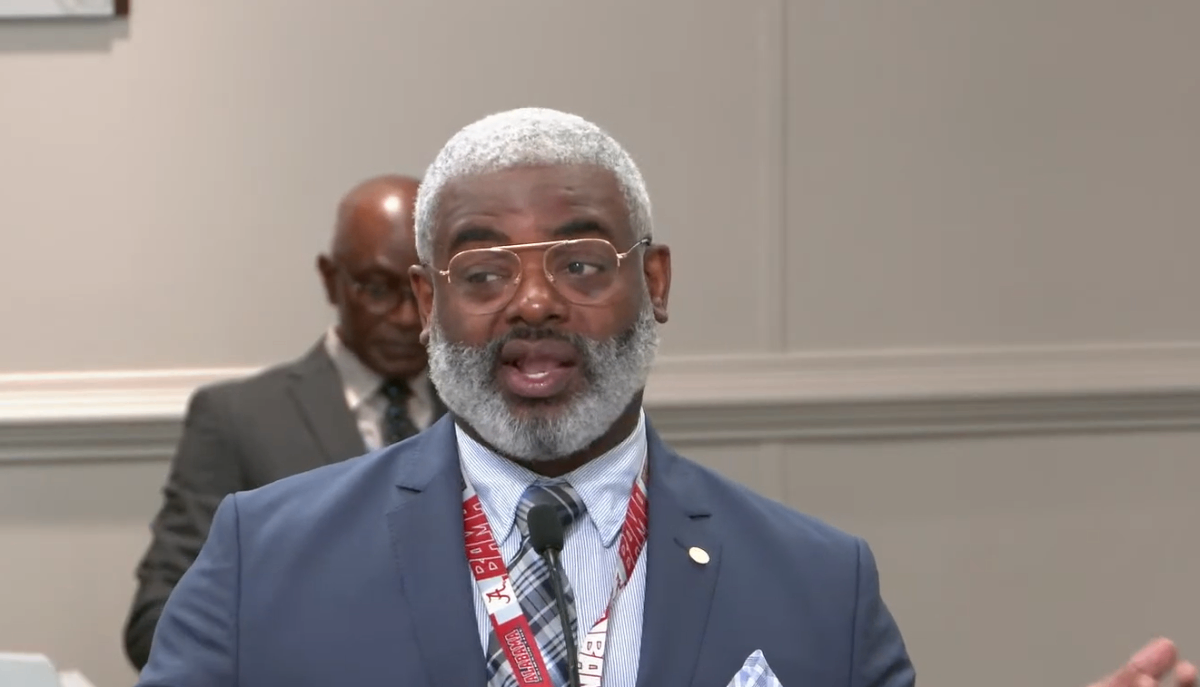
Photo credit: YouTube / City of Atlanta
“As far as the change in dollar, I think that's a legal question, so I might defer on that one,” Smith said. “As far as the scope of work, we're doing a lot of things as it relates to the consent decree and the recent agreed order. Some of those projects will be handled out of this fund.”
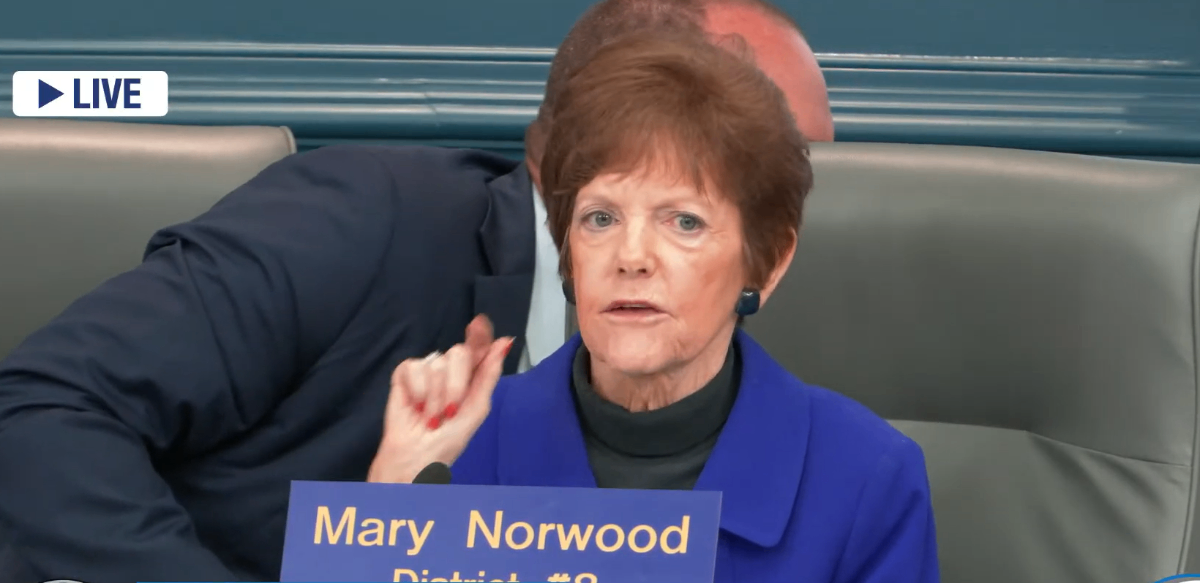
Photo credit: YouTube / City of Atlanta
Councilmember Mary Norwood used the discussion to raise broader concerns about infrastructure oversight and the need for licensed engineers on city-managed projects.
“We've got concerns from our citizens, not only with flooding, but with sewage that is not being treated the way we all hope and want it to be,” Norwood said. “We want to understand that we've got the right people and it's going to be done fast because we can't have a world-class city if we don't have an environment that is commensurate with a world-class city.”
To add to or correct information in this report, please contact me at mia.s@lead4earth.org.
0
0

Comments