Content Warning: This article discusses child welfare and references cases of abuse. Reader discretion is advised.
When a child dies after multiple prior investigations by child protective services, the public naturally looks for answers. In Mecklenburg County, those answers remain limited—for now.
According to reporting by WBTV, the child’s home had previously been the subject of multiple abuse and neglect investigations. In the aftermath, both county and state officials have declined to release additional details, citing legal and procedural constraints.
Legal limits on what can be shared
In a statement provided through Mecklenburg County’s public information office, officials said they consulted with the District Attorney and determined that releasing information could interfere with the ongoing case.
“After consultation with the District Attorney, there is a concern that release of any findings and summary information, at this point, will likely jeopardize the state’s ability to prosecute the defendants and the defendants’ right to a fair trial, and will possibly undermine the ongoing criminal investigation.”
At the state level, the North Carolina Department of Health and Human Services echoed similar limitations.
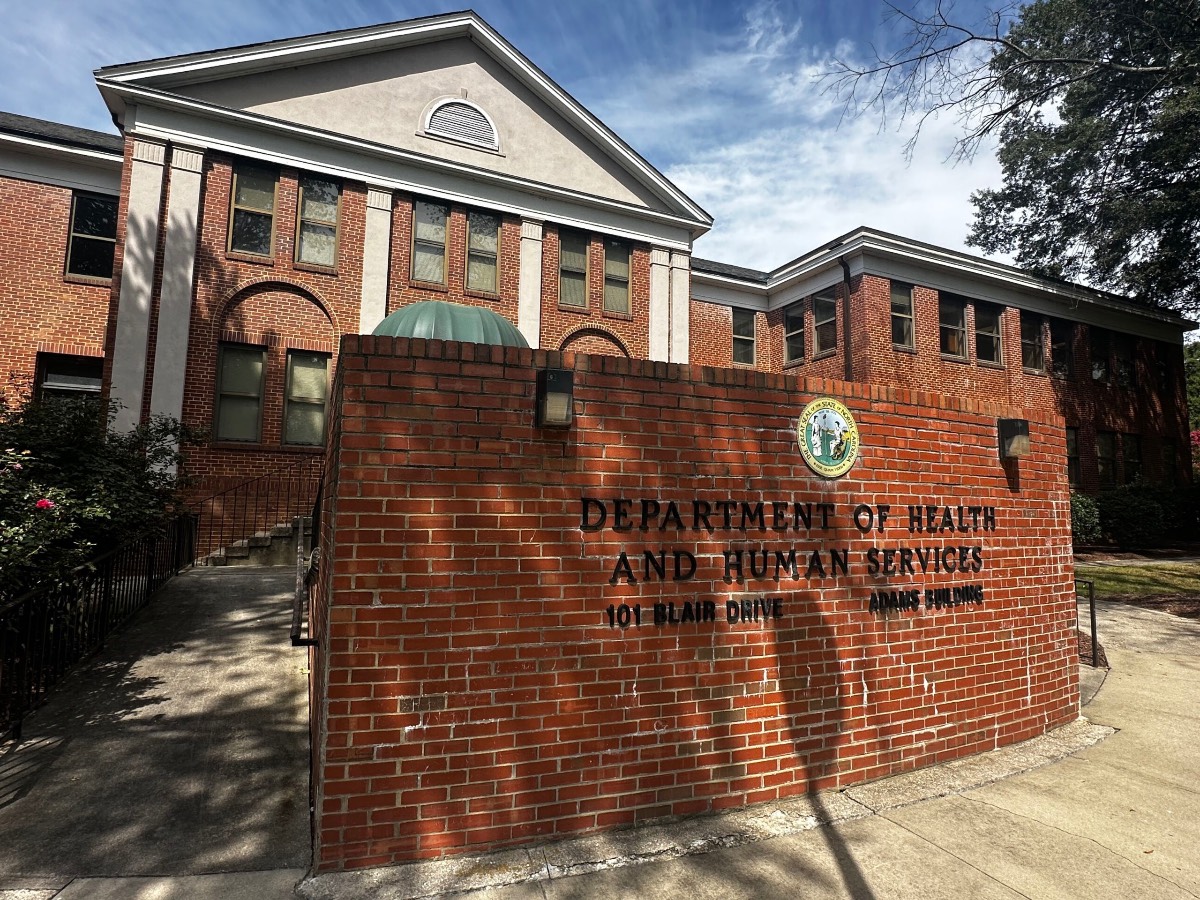
The North Carolina Department of Health and Human Services (NCDHHS) operates under a state-supervised, county-administered model, providing oversight and policy guidance to local child welfare agencies.
(Photo Credit: Carolina Journal)
“Disclosure laws prohibit NCDHHS from sharing any further information.”
These restrictions reflect established legal frameworks designed to protect both investigations and the rights of those involved.
The state’s role in oversight
While details of the case remain confidential, state officials emphasized the broader structure of North Carolina’s child welfare system.
According to the North Carolina Department of Health and Human Services, child welfare operates under a county-administered, state-supervised model, meaning local departments handle cases directly while the state provides oversight, policy guidance, and support.
Research from the Child Welfare Information Gateway further explains that this balance between local control and state oversight can make consistency and transparency more complex across jurisdictions.
State officials also noted that they work closely with county agencies when fatalities involve children who have previously received services and that they have legal authority to take temporary control of local systems if necessary to ensure compliance.
A broader push for reform
Even as specific case details remain undisclosed, state officials pointed to ongoing efforts to strengthen the system more broadly.
“NCDHHS continues to advocate for resources to build stronger child welfare supports in North Carolina.”
National organizations like Casey Family Programs have similarly emphasized the need for stronger transparency, workforce support, and coordination across agencies.
Concerns about accountability and public trust extend across multiple areas of local government. Recent reporting in OpGov.news, including Pit Bulls Run Wild While Officials Ignore Dog Attack Victims by Angela Underwood, highlights how delays or gaps in official response can raise broader questions about oversight and public safety.
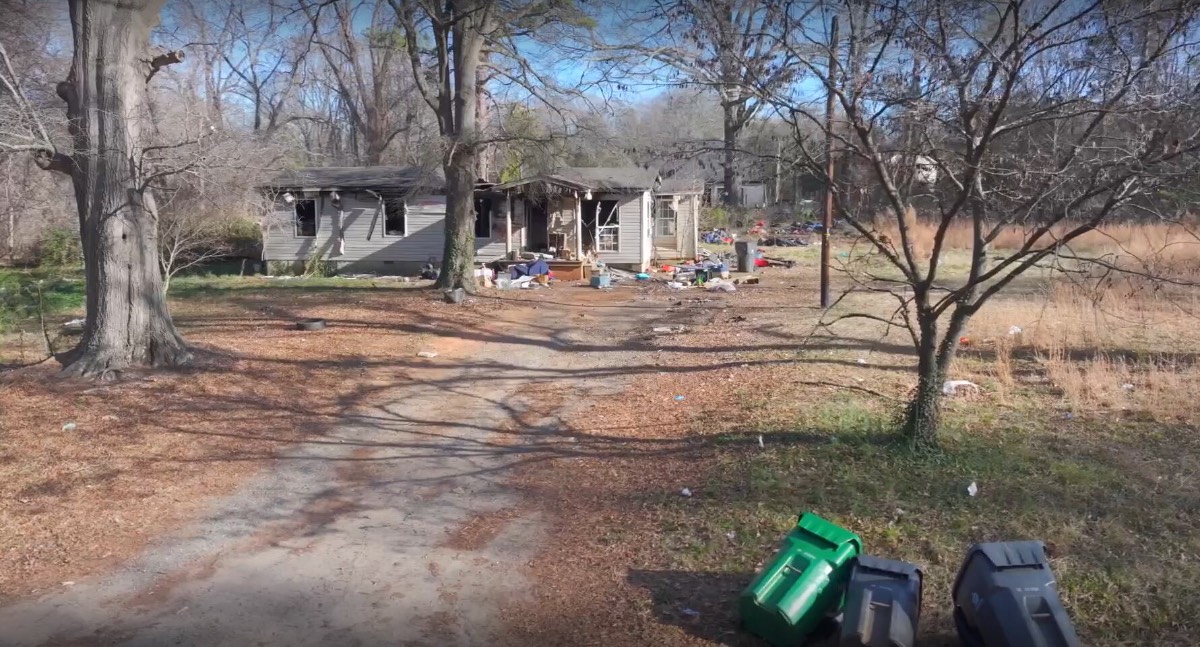
Following a child fatality at this residence, which had been the subject of multiple prior abuse and neglect investigations, the public is seeking answers regarding the timeline of Child Protective Services' involvement.
(Photo Credit: WBTV)
Transparency within constraints
The responses from both county and state officials highlight a central tension in child welfare cases: the balance between confidentiality and public accountability.
Legal restrictions exist for a reason. Protecting the integrity of an investigation and ensuring a fair trial are critical responsibilities. At the same time, limited public information can make it difficult to understand how systems function before and after a tragedy.
Public pressure for answers is also a recurring theme in local government reporting. In another OpGov.news article, Accountability In Question: Residents Press Maui Council for Answers by Allyson Whaley, residents pushed officials for greater clarity around decision-making and oversight.
This article does not suggest wrongdoing in any individual case. Rather, it examines how transparency operates within legal boundaries and what information, if any, can still be shared.
What can be communicated?
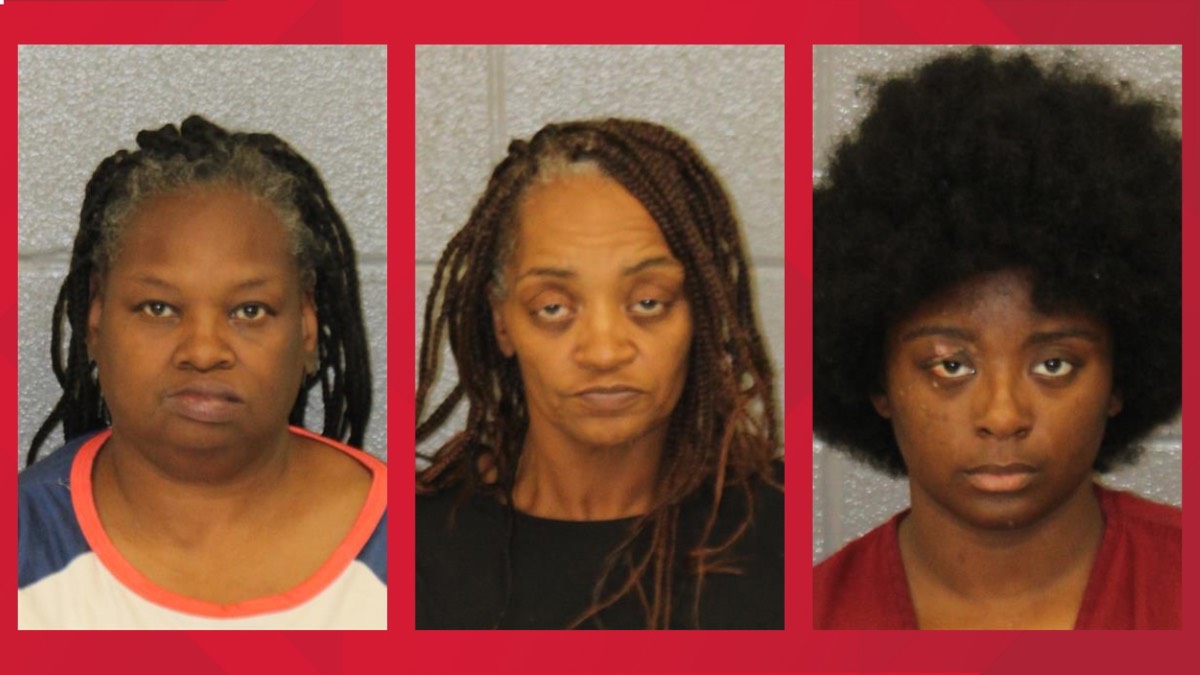
Mecklenburg County officials have expressed concern that releasing specific case findings at this time could jeopardize the state’s ability to prosecute the defendants and impact their right to a fair trial.
(Photo Credit: WCNC)
Even when case-specific details cannot be released, public agencies can still provide insight into how the system functions more broadly. Explaining how repeated reports are evaluated, how oversight mechanisms are applied, and how decisions are reviewed internally can offer the public a clearer understanding of the system without interfering with legal proceedings.
Providing that level of context helps distinguish between information that cannot be shared and information that may simply not yet be explained.
Looking ahead
For now, officials have made clear that additional details will not be released while the case remains active.
As legal proceedings continue, that position may change. Until then, the focus remains on what can be shared and how public institutions communicate during moments of uncertainty.
Because even when details are withheld, transparency still matters.
Make sure to comment below what you think of the Charlotte government handling this case.
You can reach Victoria Osborne at victoria.o@lead4earth.org.
(Thumbnail Photo Credit: KCRG)
0
0

Comments