(OPGOV.NEWS GLOBAL) --- Is it real or is it AI?
That question is asked more often each day in the national arts and culture sector.
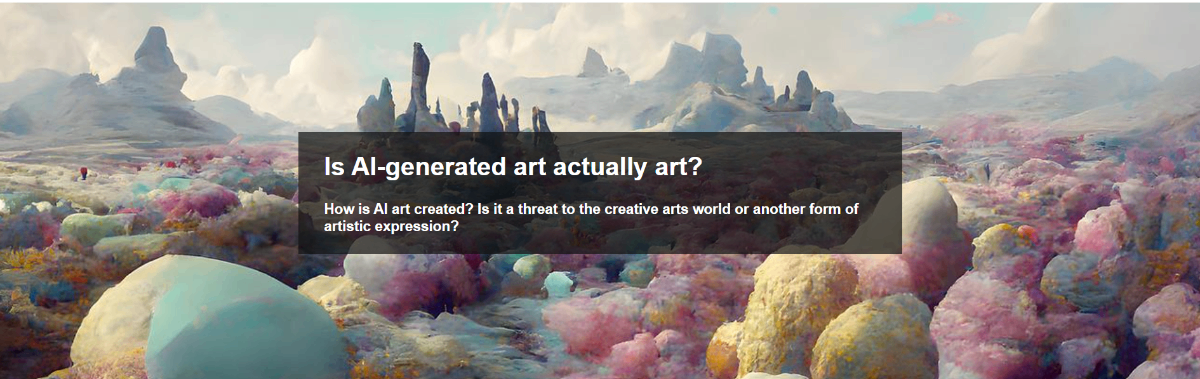
(Photo credit: University of Plymouth)
The inquiry itself reveals that artificial versions of themselves are replacing artists. Artificial intelligence, which proposes to perform like the human mind, is blurring the lines between what is real and what is not. The State University of New York, Birmingham, reports that currently there are four projects “to investigate the different ethical, philosophical, and creative implications of AI in the humanities and other artistic practices,” in music, cinema, design, and literature.
The music project will include AI improvisation and study how well AI can integrate into real-time performances, with violist Stephanie Griffin saying AI adds a “liveness” to her performance.
That is not the case with cinema.
“The more generative AI advances, the more artists may feel they have only one of two choices: adopt it entirely, or reject it wholly,” according to the university report, which notes that the project entails combining “historical and contemporary cinematic and audio technologies, in conversation with other AI tools.”
Of all the arts, testing AI against the human eye is greatly anticipated. Images including “prints that remain unclassifiable to computer vision, images that humans and machines perceive differently, and traditional artworks that are detectable but remain incomprehensible” will be tested to determine how authentic AI really is.
Lastly, AI will be tested against the great American novel, with professors studying how it interprets literary works. At least 30 books will have their test questions and answers evaluated using Retrieval-Augmented Generation (RAG) configurations to determine whether AI truly understands the work.
The recent Birmingham research projects follow a 2024 BBC report titled “AI art: The end of creativity or the start of a new movement.”
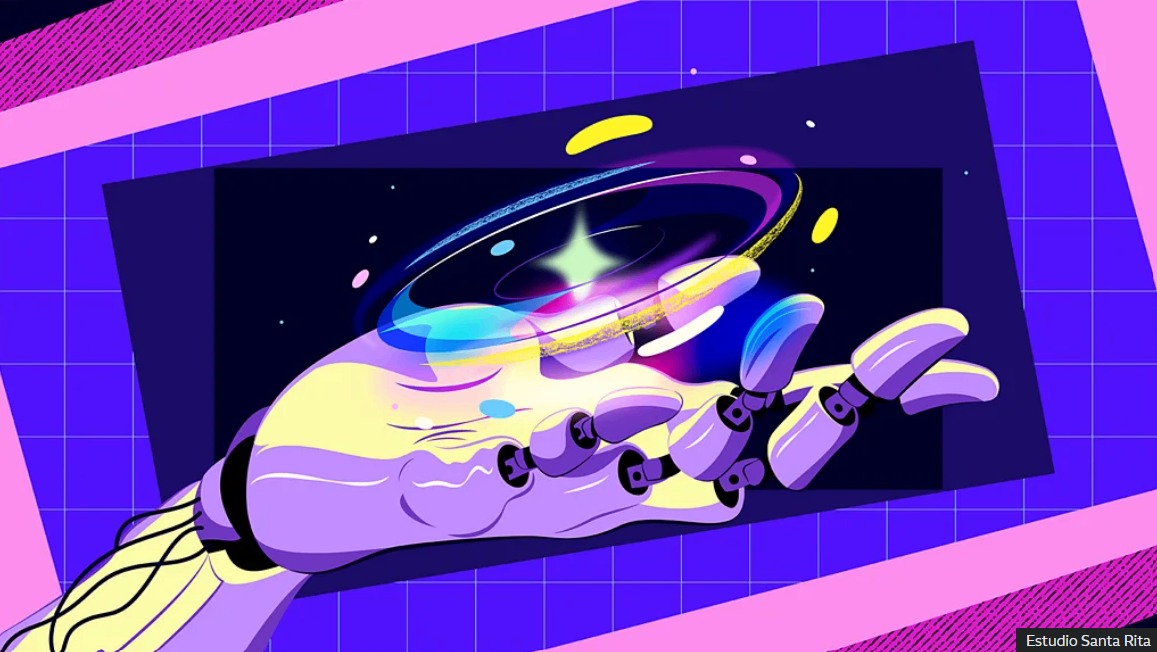
(Photo credit: Estudio Santa Rita)
The report mentions AI and Art History, noting the threat posed by photography in the 1800s.
“Some artists saw the camera as the antithesis of an artist, and photographs as the mortal enemy of the art establishment.” However, those artists did not “get the picture” as other creators did, according to the report, which details how photographs opened up abstract art, leading to contemporary art today. BBC mentions Ai-Da, the female robot notable for her artistic talents and ability to sculpt and paint, even herself.
“By design, her very existence brings into question how we define art, and who, or in this case, what, can create it,” BBC reports.
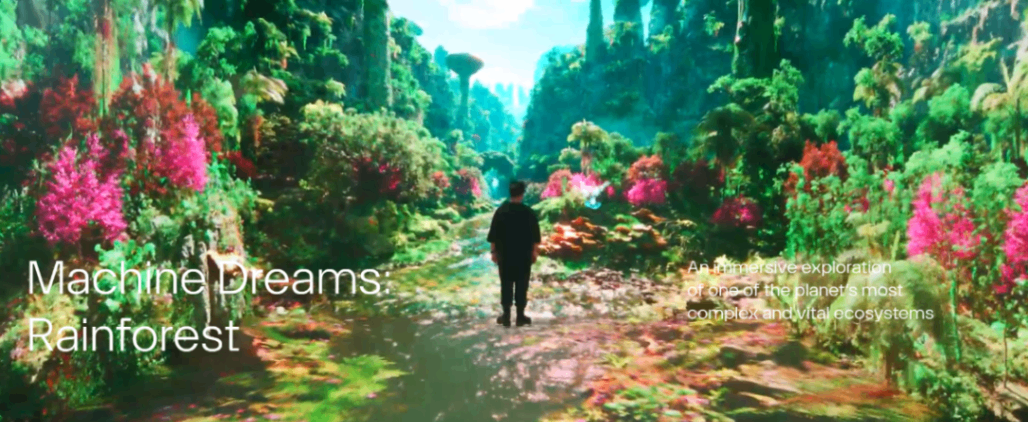
(Photo credit: DATALAND)
There is no question whether it is real or AI at DATALAND in Los Angeles, the first AI Arts museum, featuring Machine Dreams Rainforest this month. According to DATALAND, it “acts as a public repository for large-scale, nature-focused data sets and will build a comprehensive collection of AI art.”
That it does, also offering exhibitions, galleries, and a living Encyclopedia that, according to DATALAND, transforms “static knowledge into a multi-sensory experience” of nature with AI.
While the relationship between AI and Arts & Culture continues to evolve, so will today’s artists, proving that no matter how real it looks, humans remain the true Picassos and Michelangelos, pumping with blood, sweat and tears, not just electricity.
2
0

Comments